

The Citizenship Dilemma: India’s Document Conundrum Unveiled
On June 24, the Ministry of External Affairs made a statement during a press briefing commemorating Passport Seva Divas. This announcement, which might have ignited significant political discourse,...

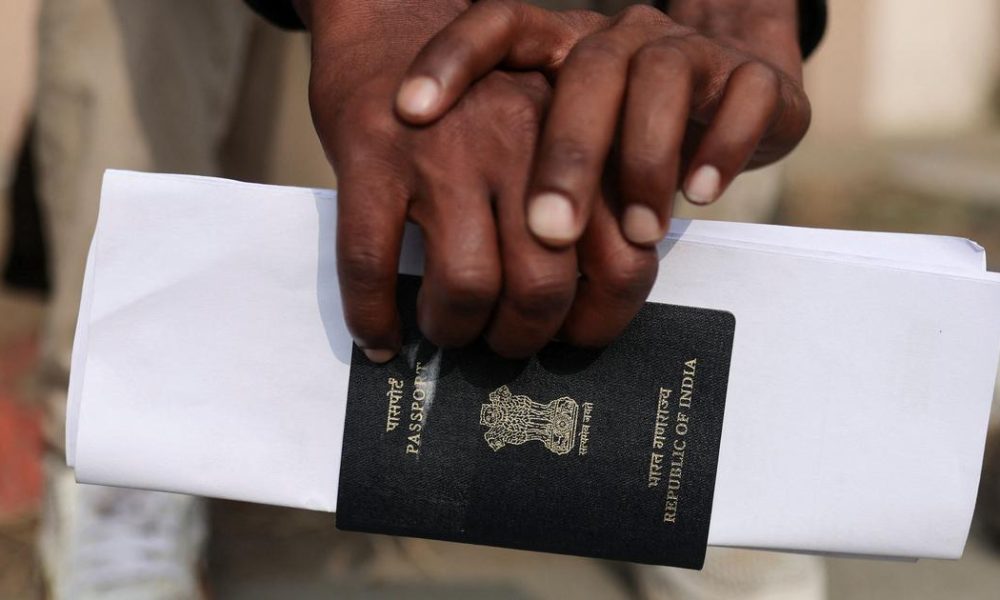
On June 24, the Ministry of External Affairs made a statement during a press briefing commemorating Passport Seva Divas. This announcement, which might have ignited significant political discourse, was largely overshadowed by global events, particularly the conflict in Iran. A ministry spokesperson emphasized a crucial point: “A passport is a travel document and not a document of citizenship.” This assertion prompted an immediate backlash from opposition leaders.
Rajya Sabha MP Kapil Sibal took to social media platform X to voice his concerns, questioning, “If a passport is not proof of citizenship, then what is?” He further warned that this ambiguity could lead to disenfranchisement at the polls, allowing the ruling party, the BJP, to gain an unfair advantage. The government responded by clarifying that it had not changed any existing regulations but was merely reiterating a well-established legal understanding.
The situation raises alarming questions about the nature of citizenship documentation in India. Currently, there is no definitive document that unequivocally establishes an individual’s citizenship. Various forms of identification, such as passports, Aadhaar cards, voter ID cards, ration cards, and PAN cards, have been ruled by the Supreme Court and other judicial authorities to serve different purposes. For instance, Aadhaar has been defined as a tool for establishing identity and residence, while a voter ID is viewed as a mechanism for facilitating electoral participation.
The absence of a conclusive citizenship document has significant implications in a country where identity politics are rampant. In March 2020, Nityanand Rai, the then Minister of State for Home Affairs, acknowledged this complexity when answering inquiries about the matter. This lack of clarity can potentially lead to situations where individuals are unjustly questioned about their citizenship status, raising concerns about civil rights and the integrity of electoral processes.
As the political landscape continues to evolve and the discourse around citizenship heats up, it is crucial for the government and citizens alike to engage in constructive discussions. The challenge lies not just in identifying proof of citizenship, but also in ensuring that every individual in India enjoys their rights without fear of disenfranchisement.
Source: scroll.in







No Comment! Be the first one.