

The Untold Story of Qurratulain Hyder’s Encounter with Oscar Wilde’s Kin
In a remarkable chapter of literary history, the interactions between notable figures like Sir Harry Turner, a prominent British journalist, and Indian literary icon Qurratulain Hyder highlight the...

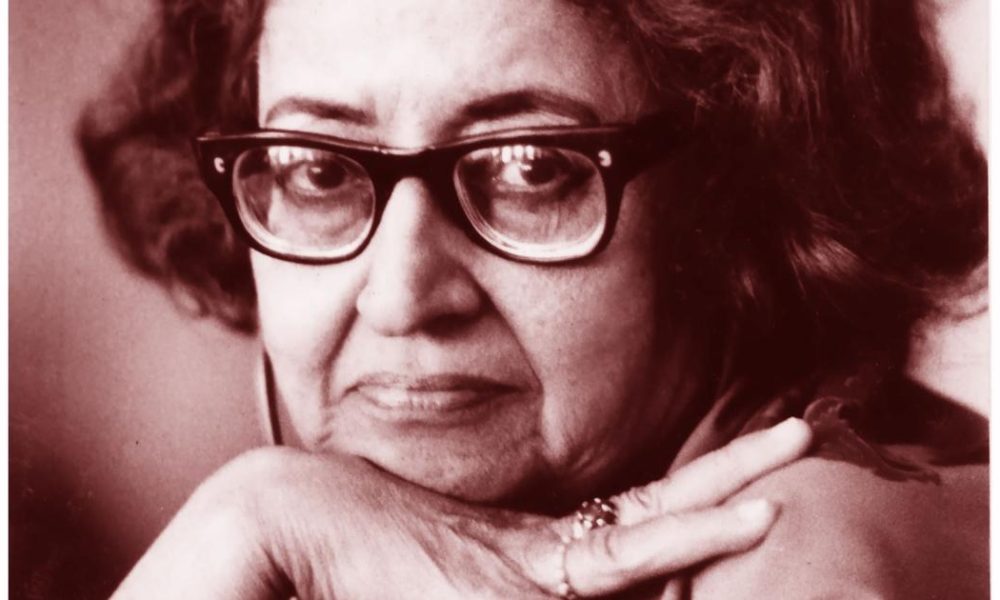
In a remarkable chapter of literary history, the interactions between notable figures like Sir Harry Turner, a prominent British journalist, and Indian literary icon Qurratulain Hyder highlight the complex weave of colonial legacies and cultural exchanges. Turner, who presided over the British Union of Journalists, found himself in an intriguing conversation with Hyder, whose aspirations as a journalist were shaped by the discriminatory practices prevalent in London during that time.
Turner was a man of compassion, yet he was bound by the rigid constraints of his profession. “The challenge in London,” he explained, “is that stringent rules prevent individuals from the British Commonwealth from securing employment here. The influx of talent from the Commonwealth regions could overwhelm Fleet Street, which leads to unfair restrictions on aspiring journalists like yourself.” His helplessness was palpable as he suggested that Hyder might find opportunities with provincial newspapers instead.
Hyder, known for her determination and clarity of purpose, was unyielding in her response. “No, I am only interested in writing for Fleet Street!” she asserted, demonstrating her ambition and the importance she placed on being recognized by leading publications. When Turner offered her a position at a women’s magazine, she once again declined, making it clear that her goal was to work for a national daily. This exchange underscores the tenacity of women journalists in the face of systemic barriers.
After a moment of reflection, Turner took decisive action by reaching out to the managing editor of The Daily Telegraph. Their conversation would pave the way for Hyder’s entry into the world of journalism, albeit under constrained circumstances. He returned to inform her that, while union rules mandated she would not receive a full salary, she could work as a trainee reporter. In a gesture of support, he offered her five pounds a week along with taxi fares for her reporting duties.
This encounter not only illustrates the challenges faced by aspiring journalists from the Commonwealth but also sheds light on the historical context of Hyder’s career. Her resolve to establish herself within the British journalistic landscape reflects the broader struggles for recognition experienced by many Indian writers during the colonial era. Qurratulain Hyder would go on to become a significant voice in Urdu literature, yet this initial encounter with Turner reveals the obstacles she navigated in pursuit of her literary dreams.
Source: scroll.in







No Comment! Be the first one.