

Rajasthan High Court Upholds Demolition of Mosques Near India-Pakistan Border
The Rajasthan High Court has upheld the government’s decision to demolish several mosques, dargahs, and madrasas situated within a 50-kilometer radius of the India-Pakistan border. This ruling...

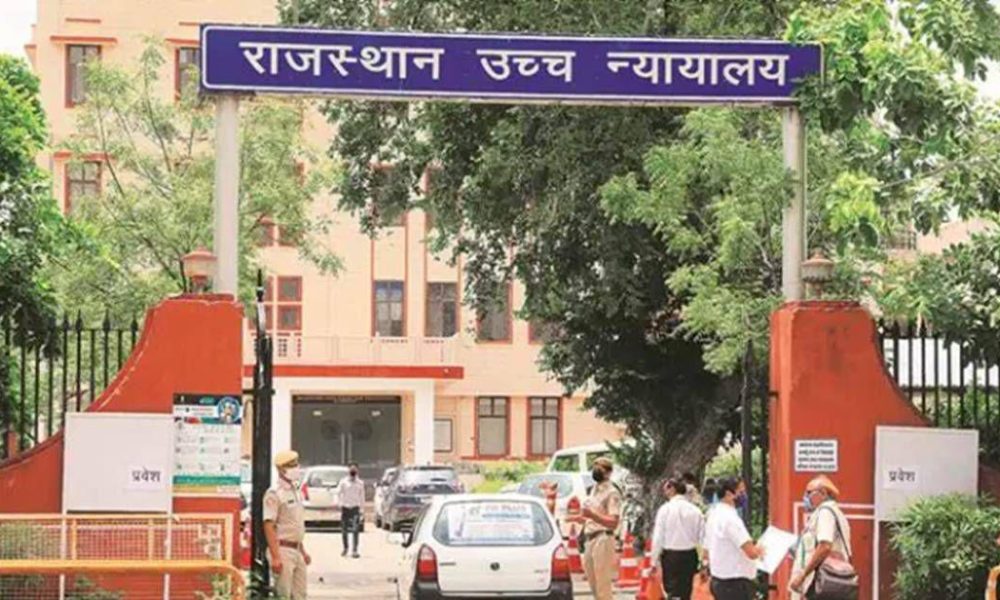
The Rajasthan High Court has upheld the government’s decision to demolish several mosques, dargahs, and madrasas situated within a 50-kilometer radius of the India-Pakistan border. This ruling comes after the court dismissed petitions that sought to challenge the demolition plans. The court emphasized the necessity of heightened security measures in areas so close to an international boundary, indicating that the actions taken were in line with national security requirements.
During the proceedings, the bench noted that the Union government’s initiative to expand the territorial jurisdiction and operational authority of the Border Security Force (BSF) was a well-considered approach aimed at addressing security concerns prevalent in border regions. The court remarked that the need for vigilance and regulatory oversight in these sensitive areas cannot be overstated, as it plays a crucial role in safeguarding national interests.
Justice Sameer Jain, who presided over the case, pointed out that the attempts to label the demolitions as communal acts were unfounded. He clarified that the issue at hand was not one of religious discrimination but rather one of compliance with security regulations and national safety. The judge further stated that the structures earmarked for demolition were, based on the evidence presented, deemed unauthorized.
Moreover, the court highlighted that the petitioners had previously received show-cause notices regarding the status of these structures but failed to engage in the legal process. Consequently, the bench ruled that they could not invoke writ jurisdiction based on claims of natural justice violations at this late stage. It reiterated a crucial principle of governance that prioritizes state security over rigid procedural compliance, particularly when public safety is at risk.
This decision has sparked discussions among legal experts and civil society regarding the balance between national security and individual rights, especially in a diverse country like India. As the government continues to navigate complex security challenges, the implications of such rulings raise vital questions about the rights of religious minorities and the processes involved in safeguarding national borders.
Source: scroll.in






No Comment! Be the first one.