

Supreme Court Grants Odisha Until August 19 to Review Remission Request for Graham Staines Murder Convict
In a significant development regarding the 1999 murder case of Australian missionary Graham Staines and his two sons, the Supreme Court of India has given the Odisha government a deadline of August...

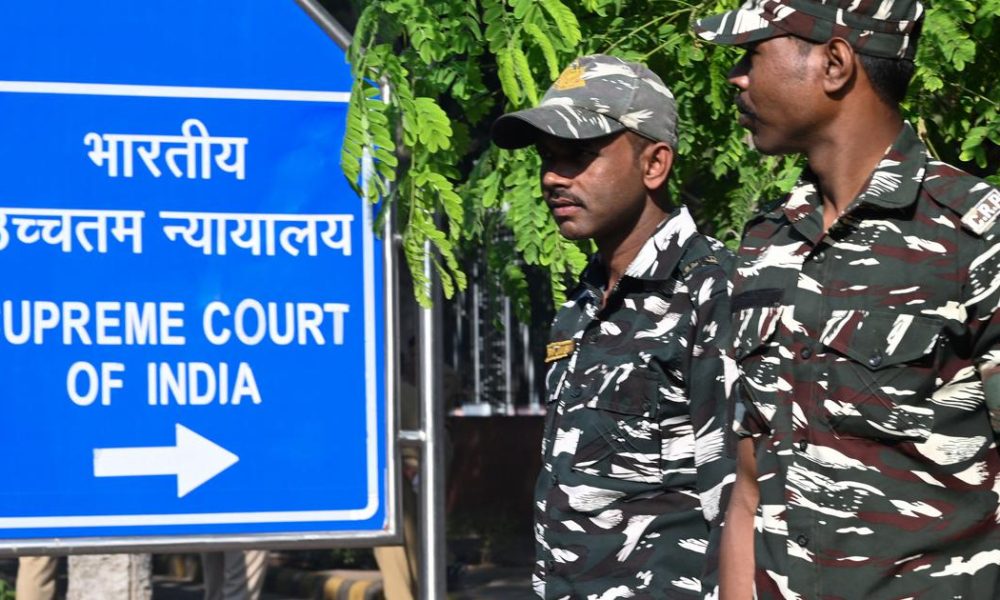
In a significant development regarding the 1999 murder case of Australian missionary Graham Staines and his two sons, the Supreme Court of India has given the Odisha government a deadline of August 19 to make a decision on the remission plea filed by convict Dara Singh. Singh, a member of the Bajrang Dal, is currently serving a life sentence for his role in the brutal killings that shocked the nation and drew widespread condemnation both domestically and internationally.
The Supreme Court bench noted that the state’s sentence review board had requested relevant records related to Singh’s case but had yet to receive them, which hampered its ability to deliberate on the remission request. Given the circumstances, the Supreme Court adjourned the matter until August 19, expressing its expectation that the review panel would arrive at a conclusion before this date.
The tragic incident occurred on the night of January 22, 1999, when Staines and his two young sons were burned alive by a mob led by Singh while they were resting in their vehicle in Odisha. The assailants accused the missionary of attempting to convert people to Christianity illegally, a claim that contributed to the communal tensions in the region. The attacks sparked outrage, leading to widespread protests and calls for justice, and highlighted the ongoing issues of religious intolerance in India.
In 2003, a special Central Bureau of Investigation (CBI) court sentenced Singh to death along with 13 other co-accused. However, in 2005, the Orissa High Court commuted his death sentence to life imprisonment, acquitting 11 of the other defendants in the process. Meanwhile, another individual involved in the case, who was a minor at the time of the incident, was released from custody in 2008.
As the Supreme Court awaits a response from the Odisha government regarding Singh’s plea for remission, the case continues to evoke strong sentiments among various sections of society. While some argue for the release of Singh based on arguments of reform and rehabilitation, others firmly oppose it, citing the heinous nature of the crime and the message such a decision could send regarding accountability for acts of violence motivated by religious prejudice.
Source: scroll.in







No Comment! Be the first one.