

Tibetan Nomads Face Challenges as China’s Renewable Energy Projects Transform Pastoral Lands
In recent years, China has embarked on an ambitious journey to harness renewable energy, with the Tibetan Plateau serving as a focal point for this endeavor. The construction of some of the...

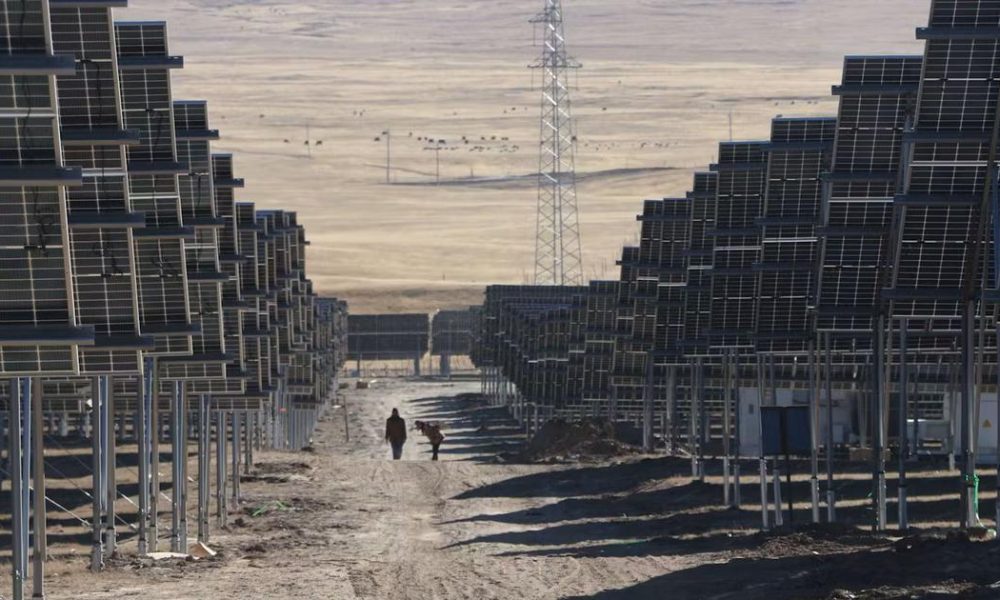
In recent years, China has embarked on an ambitious journey to harness renewable energy, with the Tibetan Plateau serving as a focal point for this endeavor. The construction of some of the world’s largest solar and wind farms on these high-altitude grasslands has raised questions about the impact of such developments on local nomadic communities that have thrived there for centuries.
The Tibetan Plateau, known for its expansive landscapes and high elevations, offers ideal conditions for solar and wind energy production. This region has historically been a source of energy, particularly with the establishment of hydropower stations since the mid-1990s. However, the recent surge in solar and wind projects is transforming the very essence of nomadic life, as vast tracts of grazing land are converted into renewable energy sites.
My ethnographic research took me to a nomadic community situated approximately 161 kilometers southeast of Xining, the capital of Qinghai province. Here, energy companies like PowerChina have initiated the construction of three solar power plants, capable of generating around 1 gigawatt of electricity, alongside a significant number of wind turbines. These developments began in 2017 and have accelerated in recent times, marking a significant shift in the landscape.
While sandy, desert-like terrain is often touted as ideal for solar installations, the grasslands where these solar farms are being built are not barren wastelands. They are fertile areas where Tibetan herders have tended to their yaks and sheep for generations, maintaining a rich cultural heritage and connection to the land. The displacement of these nomadic communities raises pressing concerns about the sustainability of their traditional lifestyles.
As these large-scale energy projects continue to expand, the effects on local pastoralists are profound. The balance between modern energy needs and the preservation of nomadic culture is precarious. Many nomads express concerns that their ancestral grazing grounds are being irreversibly altered, impacting their livelihoods and way of life. The challenge lies in finding a path that respects the needs of these communities while also addressing China’s growing energy demands.
Source: scroll.in







No Comment! Be the first one.