

Odisha Speaker Rejects BJD’s Disqualification Request for Eight MLAs in Rajya Sabha Election Controversy
In a significant political development, Odisha Assembly Speaker Surama Padhy has turned down the Biju Janata Dal’s (BJD) request to disqualify eight of its MLAs who were allegedly involved in...

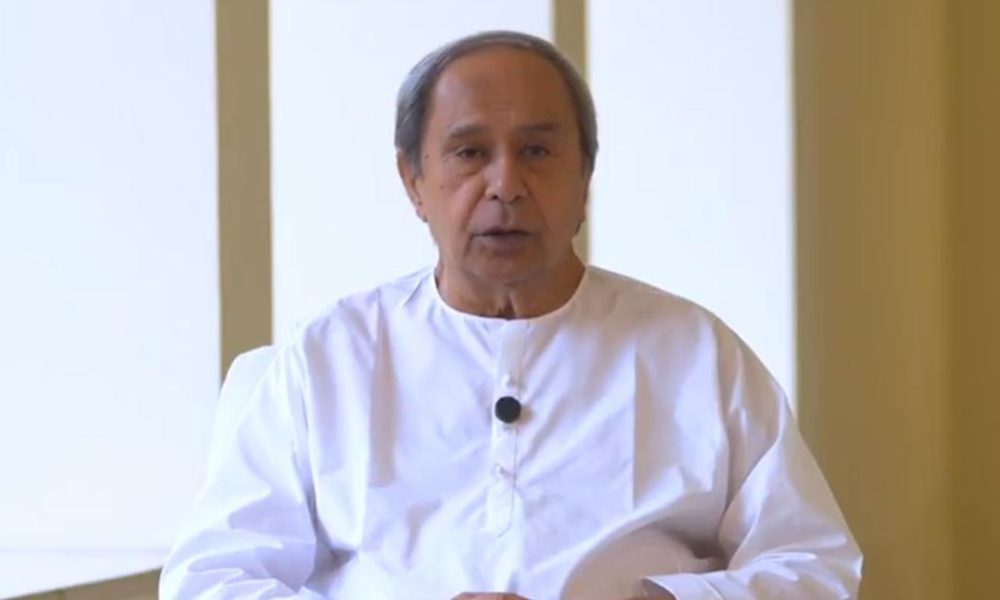
In a significant political development, Odisha Assembly Speaker Surama Padhy has turned down the Biju Janata Dal’s (BJD) request to disqualify eight of its MLAs who were allegedly involved in cross-voting during the Rajya Sabha elections held in March. According to reports from ANI, the Speaker described the BJD’s disqualification petition as “cryptic, vague, and unsubstantiated,” indicating that it did not meet the necessary statutory requirements to warrant further consideration.
The controversy emerged following the Rajya Sabha elections conducted on March 16, where the BJD accused these eight lawmakers of voting for independent candidate Dilip Ray, who was backed by the Bharatiya Janata Party (BJP). This election sought to fill four vacant Rajya Sabha seats from Odisha, with the results declared on April 2. Ultimately, two candidates from the BJP and one from the BJD secured their positions in the Upper House, while the fourth candidate, who was supported by both the BJD and the Congress, was defeated by Ray, falling short by 11 votes. Notably, eight of the eleven votes that contributed to Ray’s victory were allegedly cast by BJD MLAs, alongside three votes from Congress members.
Prior to the polling, BJD President Naveen Patnaik expressed strong allegations of “horse-trading” against the BJP, emphasizing the party’s concern over the integrity of the election process. The aftermath of the elections saw the BJD formally approach the Speaker in April, seeking to disqualify the eight legislators for their alleged defection from the party line. This action highlights the internal strife within the BJD and raises questions about party unity amid growing political tensions in Odisha.
The Speaker’s dismissal of the petition has led to mixed reactions within political circles. Supporters of the BJD argue that the decision undermines party discipline and accountability, while others believe it reinforces the need for a robust legal basis when making disqualification requests. As political dynamics continue to evolve, the implications of this decision will likely resonate within Odisha’s political landscape, particularly as the BJD navigates its position against the BJP’s increasing influence in the state.
Overall, this incident not only reflects ongoing rivalries between regional and national parties but also illustrates the complex interplay of loyalty and dissent within political parties in India. As both the BJD and the BJP prepare for future elections, the political ramifications of this event will be closely monitored by analysts and constituents alike.
Source: scroll.in



No Comment! Be the first one.