

Unveiling the Spiritual Ties: A Hindu Disciple of a Muslim Saint in Mughal India
The Mughal Empire, a significant chapter in India’s history, is often portrayed in a polarized light, emphasizing religious conflicts. However, a closer examination of the records from 17th-century...

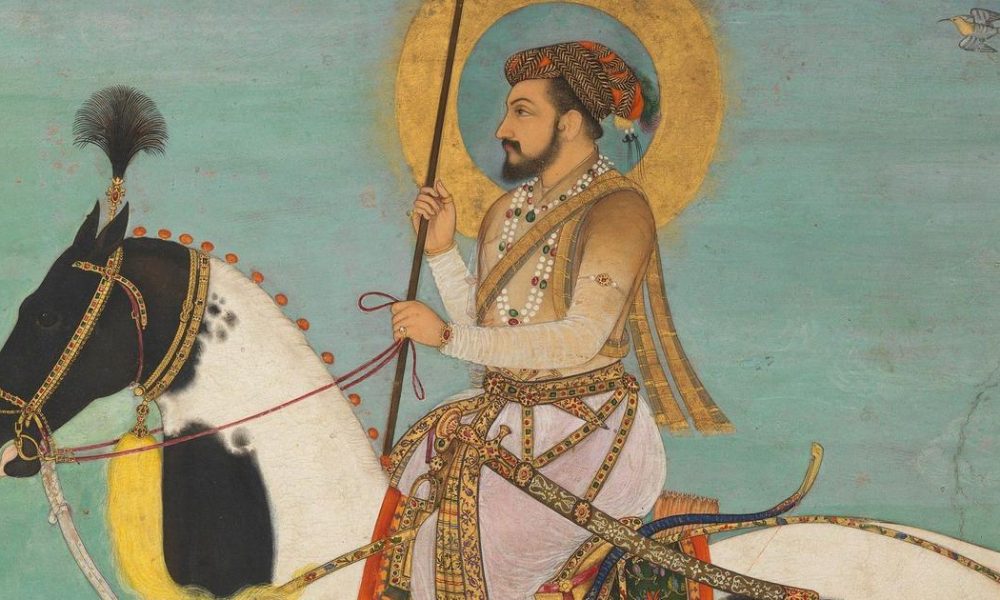
The Mughal Empire, a significant chapter in India’s history, is often portrayed in a polarized light, emphasizing religious conflicts. However, a closer examination of the records from 17th-century India reveals a more nuanced narrative. One such document, housed at Aligarh Muslim University, shines a light on the intricate social dynamics of the time, where religious boundaries were not always strictly observed.
This document, the Tazkira-i Pir Hassu Teli, was penned between 1644 and 1647 during the illustrious reign of Emperor Shah Jahan. It chronicles the life and spiritual miracles of Pir Hassu Teli, a revered Muslim saint, along with the accounts of his disciples. Notably, this biography was crafted by Surat Singh, a Hindu Mughal official who belonged to a different religious background, showcasing his deep devotion.
Surat Singh hailed from a Kambo family in Punjab, whose lineage was primarily involved in trade. By the early 1600s, his family had transitioned into Mughal administration, where Surat Singh held several notable positions across key regions, including Lahore, Bhatinda, Kabul, and Agra. His journey within the Mughal court was marked not only by his administrative capabilities but also by his spiritual quest as he became a follower of the mystical order associated with Pir Hassu Teli and later Shaikh Kamal.
The Tazkira is not merely a historical document; it reflects the multifaceted identity of Surat Singh. As a Hindu from the Kambo caste, a servant of the Mughal Empire, a Persian poet, and a devoted disciple of a Muslim saint, his life embodies the synthesis of diverse cultural and religious influences in India. This layered identity prompts a reevaluation of how inter-religious relationships were shaped during this period.
Surat Singh’s narrative challenges contemporary perceptions of religious conflict, illustrating instead a landscape where devotion transcended sectarian divisions. In a time when the Mughal Empire was a melting pot of cultures and beliefs, such relationships were pivotal in fostering communal harmony and understanding. The Tazkira-i Pir Hassu Teli stands as a testament to the enduring spiritual bonds that can exist beyond the confines of religious identities, revealing a rich tapestry of faith that defined an era.
Source: scroll.in







No Comment! Be the first one.