

Justice MS Liberhan, Key Figure in Babri Masjid Investigation, Passes Away at 87
Justice Manmohan Singh Liberhan, a prominent Indian jurist known for spearheading the judicial inquiry into the demolition of the Babri Masjid, has passed away at the age of 87. His demise, reported...

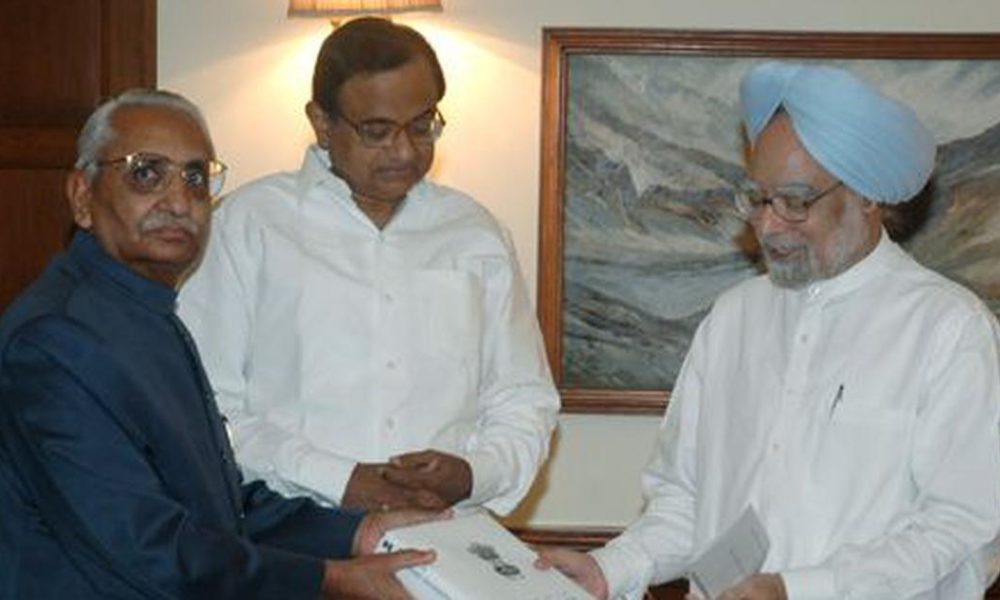
Justice Manmohan Singh Liberhan, a prominent Indian jurist known for spearheading the judicial inquiry into the demolition of the Babri Masjid, has passed away at the age of 87. His demise, reported on Sunday, marks the end of an era for Indian legal history. Born on November 11, 1938, in a village near Chandigarh, Liberhan was recognized for his contributions to the Indian judiciary and his extensive career, which included serving as the Chief Justice of both the Andhra Pradesh and Madras High Courts.
Justice Liberhan’s judicial career commenced at the Punjab and Haryana High Court in 1964, where he made significant strides before being appointed as a judge of the same court on February 11, 1987. He later retired from his position as Chief Justice of the Andhra Pradesh High Court on November 10, 2000. Despite his retirement, he continued to be in the spotlight as the head of the Liberhan Commission, which was instituted shortly after the contentious events of December 6, 1992, when the Babri Masjid was demolished by Hindutva supporters who claimed the site to be the birthplace of Lord Ram.
The Liberhan Commission took 17 years to complete its investigation and submit its findings to the Union government in 2009, becoming one of the longest-running commissions of inquiry in Indian history. The report was significant for its allegations against several senior leaders of the Bharatiya Janata Party (BJP) and the Rashtriya Swayamsevak Sangh (RSS), including prominent figures like Atal Bihari Vajpayee, LK Advani, Kalyan Singh, and Pramod Mahajan. The commission’s revelations played a crucial role in India’s political discourse surrounding religious tensions and the secular fabric of the country.
On November 9, 2019, a landmark Supreme Court judgment resolved the decades-long Ayodhya dispute, ultimately paving the way for the construction of a Ram temple at the disputed site. This verdict was informed by the historical context and legal interpretations that traced back to the work of commissions like Liberhan’s. The implications of such judicial inquiries are still felt in contemporary discussions around communal harmony and the intertwining of religion and politics in India.
Justice Liberhan’s contribution to Indian jurisprudence, particularly concerning one of the most controversial events in the nation’s history, will not be forgotten. His last rites were conducted on Monday, as tributes poured in from various quarters, reflecting on his legacy and the impact of his work on India’s legal landscape.
Source: scroll.in





No Comment! Be the first one.