

US-Iran Agreement: A Controversial Deal with Limited Returns
The recent signing of a 14-point memorandum of understanding between the United States and Iran marks a significant diplomatic moment aimed at ending hostilities between the two nations, as well as...

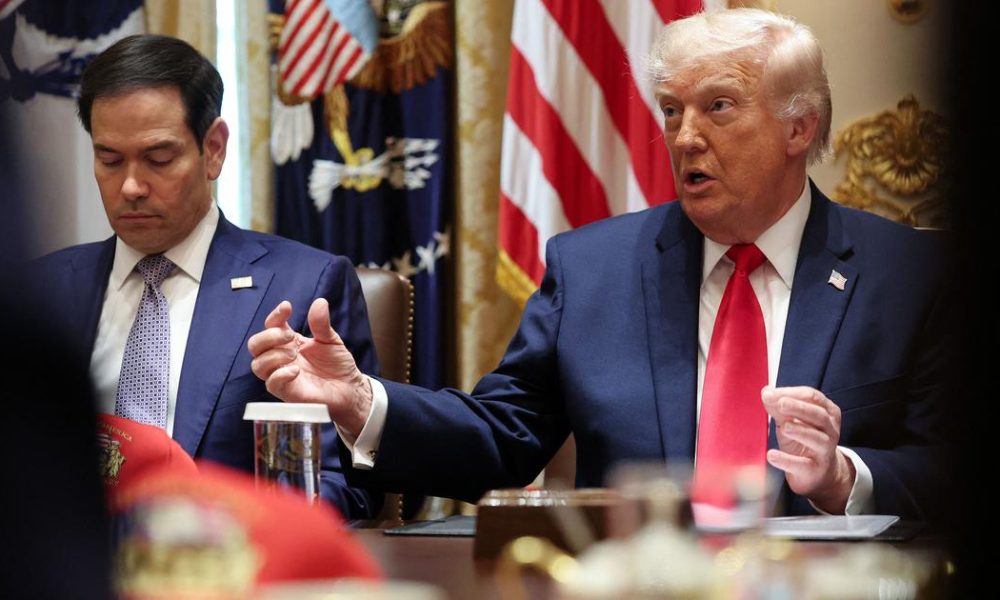
The recent signing of a 14-point memorandum of understanding between the United States and Iran marks a significant diplomatic moment aimed at ending hostilities between the two nations, as well as addressing Israel’s military actions against Hezbollah in Lebanon. However, many analysts believe that the agreement offers far more concessions from the US than it secures in return, raising questions about its effectiveness and long-term implications.
From the US perspective, the agreement appears to lack substantial benefits. Critics argue that President Donald Trump’s optimistic portrayal of the deal may be misleading, suggesting an illusion of success reminiscent of the saying, ‘the emperor has no clothes.’ The concessions made by the US, particularly regarding Iran’s nuclear program, do not seem to provide any new advantages that were not already in place before the conflict escalated.
Furthermore, the deal has been perceived as a potential betrayal of key US allies, especially the nations in the Persian Gulf and Israel. The absence of explicit mention of Israel and Hezbollah in the context of military operations raises concerns about the agreement’s effectiveness in addressing ongoing regional tensions. With the US promising sanctions relief and the unfreezing of Iranian assets, there are doubts about the feasibility of fulfilling these commitments, given the complex geopolitical landscape.
The memorandum calls for the immediate cessation of military operations on all fronts, including Lebanon, but fails to outline a clear framework for how this will be enforced. Such omissions leave room for interpretation and could lead to further complications if either party feels their interests are not being adequately addressed. The implications of this agreement extend beyond US-Iran relations, potentially impacting the broader Middle Eastern geopolitical scenario.
In conclusion, while the US-Iran memorandum represents a step towards dialogue, its efficacy remains uncertain. The deal is seen by some as a compromise that might not effectively stabilize the region, and concerns about the US’s commitments could further complicate relations with its traditional allies. As the world watches closely, the next steps taken by both nations will be crucial in determining the future of peace and stability in the Middle East.
Source: scroll.in







No Comment! Be the first one.