

Bhilai: The Steel Town Where Hindustani Music Flourished Under a Geologist’s Vision
In the heart of Central India lies Bhilai, a city synonymous with steel production and industrial growth. Established as India’s first steel plant, Bhilai was shaped by socialist ideals and...

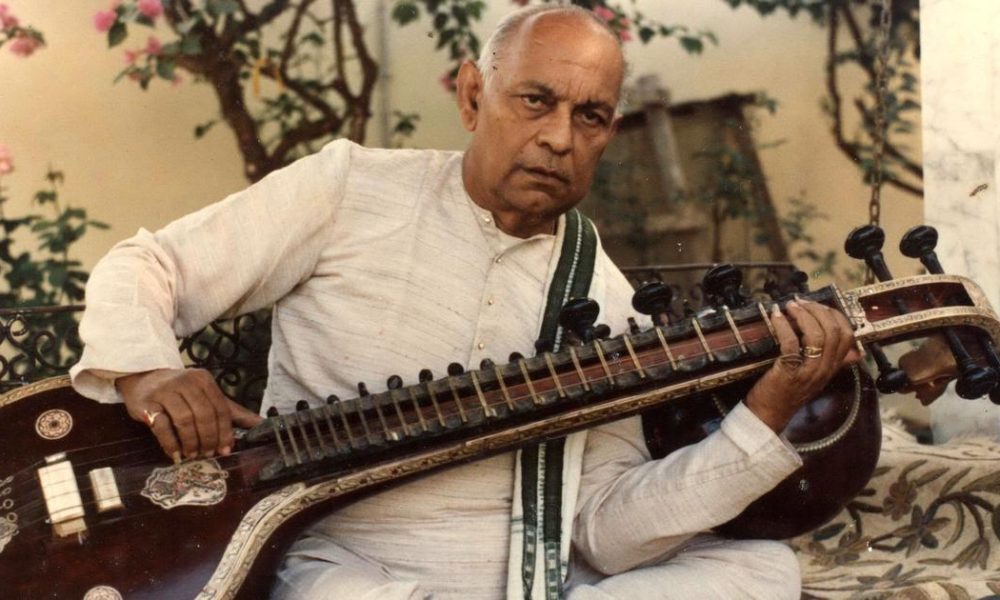
In the heart of Central India lies Bhilai, a city synonymous with steel production and industrial growth. Established as India’s first steel plant, Bhilai was shaped by socialist ideals and transformed from a tranquil village into a bustling industrial hub. What may seem like an unlikely setting for the arts, this steel town emerged as a sanctuary for Hindustani classical music, thanks to the dedication of a remarkable individual, Bimalendu Mukherjee.
Mukherjee was not just a geologist focused on the mining and processing of ores for the steel plant; he was also a talented sitar player belonging to the Imdadkhani gharana, which showcases his dual expertise in both music and geology. His passion for Hindustani music and his commitment to making it accessible to the common people drove him to cultivate a vibrant cultural atmosphere in Bhilai.
Over the course of nearly sixty years, Mukherjee played a pivotal role in transforming Bhilai into a significant center for Hindustani classical music. This evolution attracted numerous legends of Indian music, including luminaries like Vilayat Khan, Roshan Kumari, Bade Ghulam Ali Khan, and Ravi Shankar, as well as revered artists such as Kumar Gandharva and Bhimsen Joshi. These renowned musicians graced Bhilai with their presence, further enriching the town’s cultural landscape.
As the city expanded and the steel plant grew to be a cornerstone of India’s industrialization and railway infrastructure, Mukherjee’s efforts bore fruit. He created spaces where music could flourish among the steel structures, turning the town into an oasis of culture amidst industrial progress. His initiative not only promoted classical music but also fostered a sense of community where art and industry coexisted harmoniously.
Today, Bhilai stands as a testament to Mukherjee’s vision and dedication. His work serves as an inspiring example of how a single individual can significantly influence the cultural fabric of a community, bridging the gap between art and industry. As Bhilai continues to thrive as an industrial center, it also holds a cherished place in the hearts of music lovers across the nation, proving that even in the most unexpected places, creativity can flourish.
Source: scroll.in






No Comment! Be the first one.