

Chhattisgarh High Court Rejects NEET Tampering Claims Amid Lack of Evidence
The Chhattisgarh High Court has ruled against a petition alleging tampering of answer sheets from the 2026 National Eligibility-cum-Entrance Test (NEET), emphasizing that such claims cannot be...

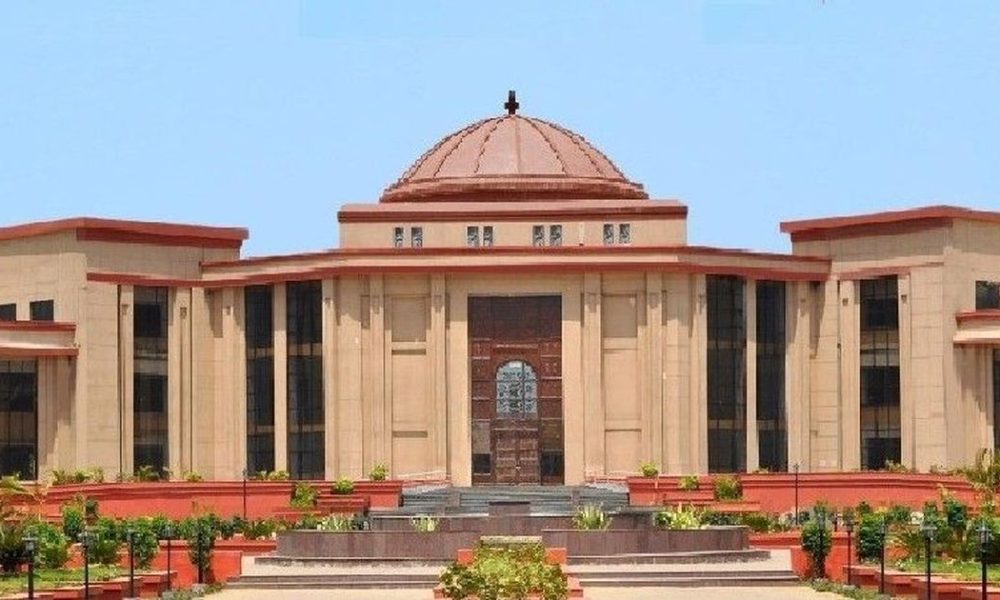
The Chhattisgarh High Court has ruled against a petition alleging tampering of answer sheets from the 2026 National Eligibility-cum-Entrance Test (NEET), emphasizing that such claims cannot be validated solely on the basis of suspicion or conjecture. The bench, led by Chief Justice Ramesh Sinha, made it clear that the judicial system cannot intervene in examination evaluations merely due to speculative fears, as this would jeopardize the integrity and reliability of the examination process.
The case was brought forth by a candidate who participated in the NEET re-examination on June 21, following the cancellation of the original test due to reported paper leaks. Results from this re-examination were announced on July 16. After the results were released, several candidates raised concerns that the optical mark recognition (OMR) answer sheets linked to their roll numbers were incorrect. They claimed these sheets either did not belong to them, were swapped with others, or reflected fewer attempts than they had made.
Optical mark recognition is a widely used system designed to scan and read candidates’ answers by identifying filled bubbles on the answer sheets. In response to the allegations, the National Testing Agency (NTA), which oversees the NEET examinations, stated that it thoroughly reviewed each complaint and confirmed that the official records matched in all assessed cases. This assertion aimed to reassure candidates of the accuracy and reliability of the evaluation process.
The High Court’s ruling underscores the necessity for concrete evidence when making serious allegations regarding examination irregularities. It highlights the fine balance that must be maintained between addressing genuine concerns and preserving the sanctity of standardized testing measures. As competitive exams like NEET play a critical role in shaping the futures of thousands of aspiring medical students, maintaining trust in the evaluation process is paramount.
This decision from the Chhattisgarh High Court serves as a reminder to candidates about the importance of substantiating claims with factual evidence rather than relying on personal beliefs or biases. The court’s emphasis on the need for objective proof in allegations helps to preserve the credibility of the examination process and protect the rights of all candidates involved.
Source: scroll.in




No Comment! Be the first one.