

Unpacking the Disturbing Reality of Witch Murders and Love Jihad Allegations in Jharkhand
Jharkhand has gained notoriety for having the highest incidents of ‘witch’ murders in India, a grim label attached to the brutal killings of women accused of witchcraft. These heinous acts...

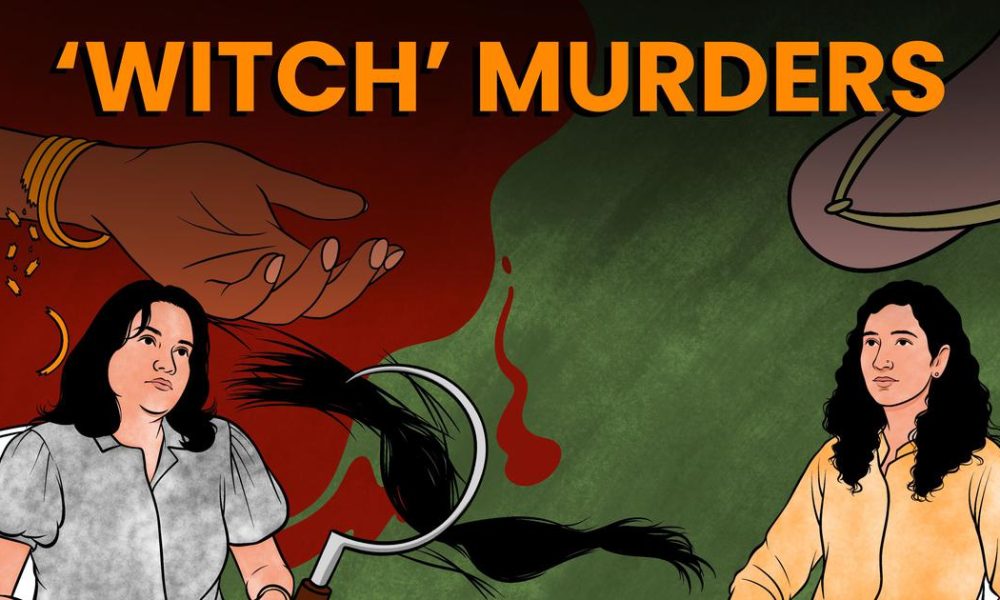
Jharkhand has gained notoriety for having the highest incidents of ‘witch’ murders in India, a grim label attached to the brutal killings of women accused of witchcraft. These heinous acts predominantly target women from Adivasi and lower caste communities, reflecting deep-seated societal issues that require urgent attention.
A recent episode of True Story, hosted by Scroll’s Executive Editor Supriya Sharma, features an in-depth conversation with reporter Nolina Minj, shedding light on the historical context surrounding these tragedies. The roots of this violence are intertwined with the centuries-long dispossession of Adivasi lands, which has led to severe impoverishment and social dislocation among these communities. As land ownership and rights become increasingly precarious, women are often scapegoated and victimized in violent, unfounded superstitions.
The phenomenon of ‘witch’ murders does not occur in isolation; rather, it is exacerbated by prevailing anxieties regarding land loss and cultural erosion. Many Adivasi women find themselves at the crossroads of these societal tensions, often deprived of inheritance rights that could provide them with a measure of financial security and autonomy. In this charged atmosphere, conspiratorial narratives emerge, suggesting that Muslim men are ensnaring Adivasi women through so-called ‘love jihad’ or ‘land jihad.’ These claims, however, are systematically debunked by Minj, who emphasizes the need for factual discourse over sensationalism.
These events raise pertinent questions regarding the intersection of gender, caste, and religion in contemporary India. The narratives surrounding ‘witch’ murders and allegations of ‘love jihad’ denote deep-seated fears and suspicions that can ignite violence against marginalized communities. The historical context of land dispossession and social inequality further complicates this issue, necessitating a comprehensive approach to understand and address the root causes of such crimes.
In conclusion, the tragic reality of ‘witch’ murders in Jharkhand serves as a stark reminder of the urgent need for social reform and community education. Addressing the economic and social vulnerabilities faced by Adivasi women, along with dismantling harmful stereotypes, is essential for fostering a more inclusive and just society. As India continues to grapple with these complex issues, it remains imperative for communities and policymakers alike to act decisively against such archaic practices and misconceptions.
Source: scroll.in







No Comment! Be the first one.