

Delhi’s Cooling Zones: A Temporary Relief Amidst Scorching Heatwaves
As the summer sun blazes over Delhi, vulnerable workers are finding a fleeting sanctuary in newly established cooling zones, aimed at combating the oppressive heat. Located near the Dhansa Bus Stand...

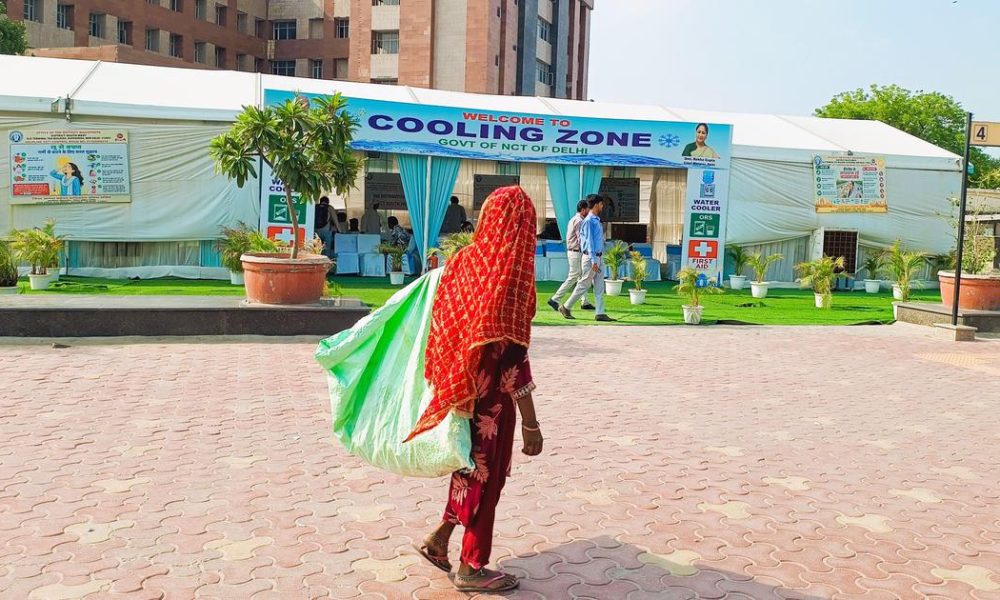
As the summer sun blazes over Delhi, vulnerable workers are finding a fleeting sanctuary in newly established cooling zones, aimed at combating the oppressive heat. Located near the Dhansa Bus Stand Metro Station in South West Delhi, these white marquee tents serve as a crucial lifeline for those laboring under the relentless sun. Launched by the state government as part of its heatwave mitigation strategy, this initiative includes 14 designated cooling zones spread across eight districts of the capital.
Moreover, the city has introduced 13 mobile heat relief units that traverse the streets, providing essential supplies such as water and oral rehydration solutions. These measures are designed to alleviate the physical strain caused by soaring temperatures, especially for those engaged in strenuous outdoor work. The combination of high heat, humidity, and physical exertion can severely impact the body’s ability to regulate temperature, leading to serious health risks such as fatigue, dehydration, and even heat stroke.
The effectiveness of these cooling zones was illustrated on June 1, when temperature readings revealed a stark difference between the oppressive outdoor conditions and the more bearable environment inside these tents. At approximately 2:30 PM, the outside temperature soared to 38.9°C, while those seeking refuge within the tent experienced a much cooler 33.3°C. Additionally, the Globe Temperature, which assesses the radiant heat from nearby surfaces, dropped dramatically from 43.8°C outdoors to 34.3°C indoors, showcasing the zones’ ability to mitigate heat exposure.
While these cooling zones provide essential relief, they remain a temporary solution to a much larger problem. The Wet Bulb Globe Temperature, a comprehensive measure of environmental heat stress that factors in temperature, humidity, radiant heat, and air circulation, recorded 33.5°C outside compared to a more manageable 29°C inside. This data emphasizes the necessity for ongoing efforts to protect workers and vulnerable populations during extreme weather, as the heatwave season is expected to intensify in the coming years as a result of climate change.
As the temperatures rise, the need for more sustainable and long-term solutions becomes increasingly urgent. While the cooling zones are commendable for providing immediate relief to workers, they highlight the broader issue of urban planning and infrastructure in response to climate challenges. The Delhi government must consider more permanent strategies to safeguard its residents against extreme heat, ensuring that temporary respite does not become the norm during the sweltering summer months.
Source: scroll.in







No Comment! Be the first one.