

Historic Agreement Between US and Iran Sparks Hope for Peace in West Asia
In a significant diplomatic breakthrough, the Presidents of the United States and Iran, Donald Trump and Masoud Pezeshkian, respectively, have signed an interim memorandum of understanding aimed at...

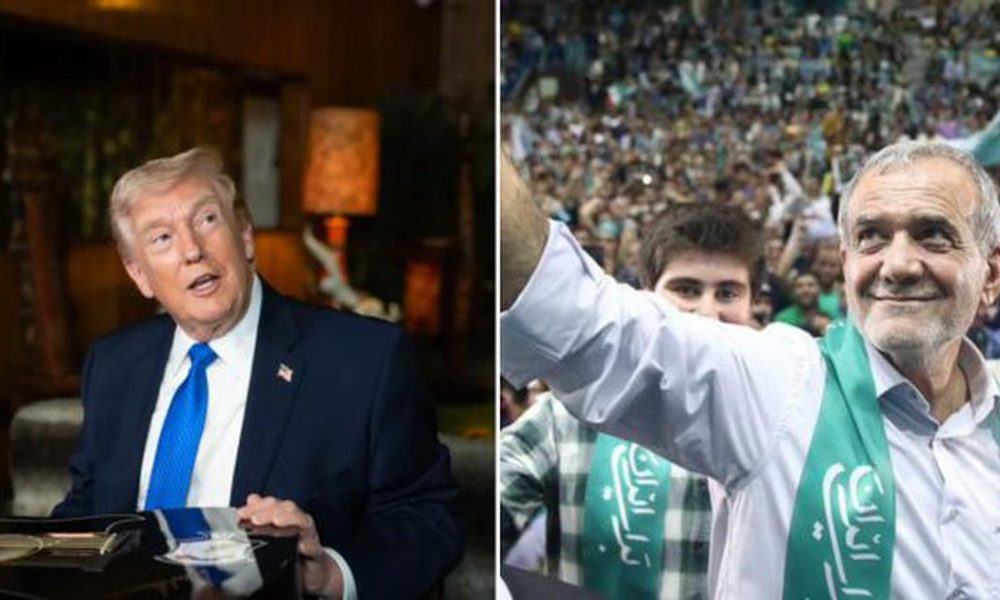
In a significant diplomatic breakthrough, the Presidents of the United States and Iran, Donald Trump and Masoud Pezeshkian, respectively, have signed an interim memorandum of understanding aimed at resolving longstanding conflicts in West Asia. The agreement was formalized on Wednesday at the Palace of Versailles, a location steeped in history, where the Treaty of Versailles was signed in 1919 to conclude the First World War.
The newly signed memorandum outlines a 60-day negotiation period during which both nations will strive to achieve a lasting peace. This initiative has been lauded by various international observers, including Pakistani Prime Minister Shehbaz Sharif, who noted on social media that the first steps outlined in the agreement include Iran reopening the vital Strait of Hormuz, a key shipping route, while the US will lift its naval blockade in the region. Such actions could significantly ease tensions that have long plagued West Asian geopolitics.
Moreover, the agreement proposes the removal of oil-related sanctions on Iran, potentially paving the way for broader economic relief for the country. This move is expected to bolster Iran’s economy, which has been struggling under the weight of international sanctions for years. The memorandum also includes a plan for a $300 billion reconstruction fund, which would be backed by regional partners pending a final agreement within the stipulated 60-day period, according to reports from Al Jazeera.
The initial signing was expected to involve Iran’s chief negotiator and parliament speaker, Mohammad Bagher Ghalibaf, alongside US Vice President JD, but it ultimately concluded with the presidents themselves. This development marks a pivotal moment in US-Iran relations and raises hopes for improved diplomatic ties amidst a backdrop of historical enmity.
The impact of this agreement could resonate widely, not just in the Middle East but also in South Asia, particularly for countries like India that have vested interests in regional stability and economic cooperation. As negotiations progress, the international community will be watching closely to see if the two nations can indeed transform this memorandum into a comprehensive and sustainable peace agreement.
Source: scroll.in





No Comment! Be the first one.