

Embracing Graphic Novels: A Pathway to Enhanced Literacy for Children
In recent times, many parents have expressed concerns over their children’s preference for graphic novels over traditional reading materials. The prevalent question among them is, ‘How...

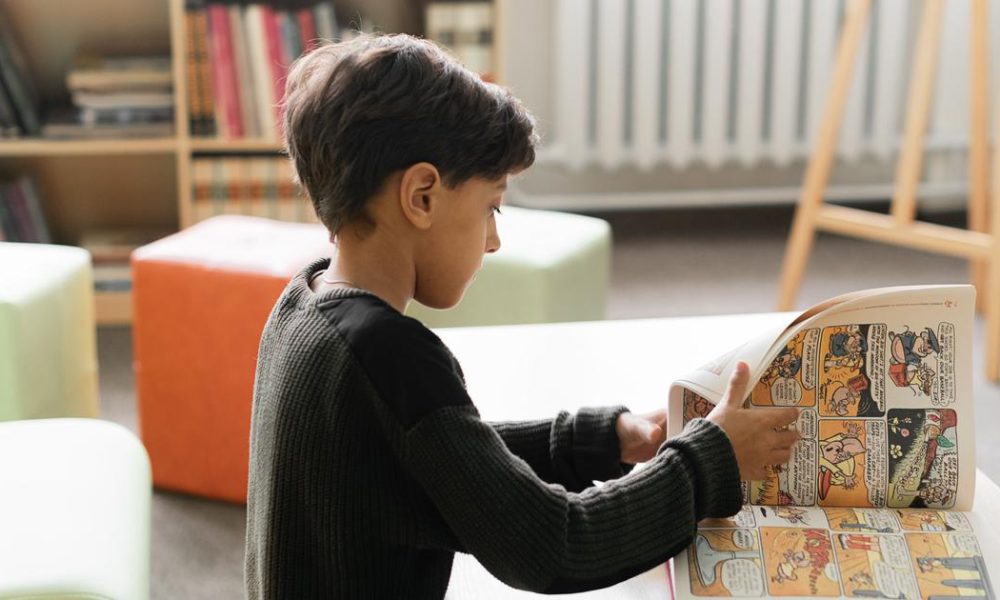
In recent times, many parents have expressed concerns over their children’s preference for graphic novels over traditional reading materials. The prevalent question among them is, ‘How can I encourage my child to read something beyond comics or graphic novels?’ However, emerging evidence suggests that such worries may be unfounded. In fact, reading graphic novels could be a significant contributor to developing literacy skills.
Popular graphic novel series like Heartstopper, The Babysitters Club, and Amulet have become bestsellers in school libraries across India, capturing the imagination of young readers. Furthermore, acclaimed works such as Art Spiegelman’s poignant graphic novel Maus, which addresses the Holocaust, and To This Day, inspired by Shane Koyczan’s spoken-word poem, are becoming integral parts of high school curricula. These narratives not only entertain but also educate, allowing students to connect with complex themes through an engaging medium.
Contrary to the belief that graphic novels may impede reading development, research indicates that they can actually foster literacy skills. Reading involves various cognitive processes, and graphic novels uniquely blend visual storytelling with textual narratives, offering a dual approach to comprehension. Studies have demonstrated that children and teenagers who delve into graphic novels show marked improvement in their reading abilities and comprehension, often developing a more positive attitude towards reading as a whole.
These findings are particularly relevant in the Indian context, where the educational landscape is evolving. With the introduction of the National Education Policy (NEP) emphasizing creative and critical thinking, integrating graphic novels into reading lists can serve as an effective strategy to make reading more appealing to students. Not only do graphic novels captivate young minds, but they also serve as a bridge to more complex literature, encouraging them to explore diverse genres.
Moreover, children who engage with graphic novels tend to view themselves as competent readers, a crucial aspect for fostering a lifelong love for reading. As educators and parents strive to ignite a passion for literature among the youth, embracing graphic novels might just be the key to unlocking potential, enhancing literacy skills, and nurturing a vibrant reading culture in India.
Source: scroll.in







No Comment! Be the first one.