

Domestic Abuse in India: A Silent Struggle Against Gender Inequality
For many women in India, the daily routine is laced with both physical toil and emotional turmoil. Take Ganga*, a 31-year-old domestic worker and caregiver, whose day begins at the crack of dawn. By...

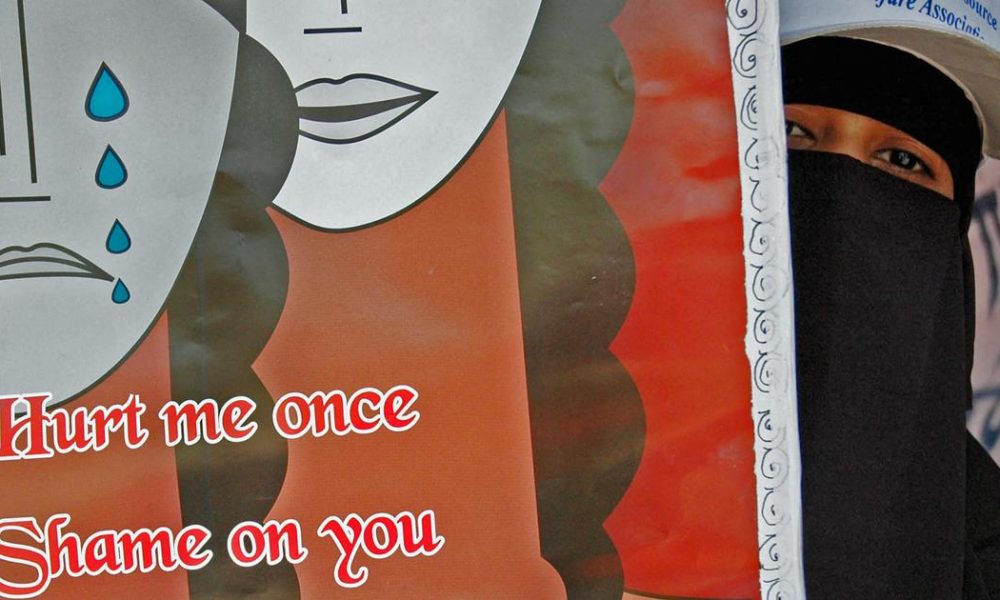
For many women in India, the daily routine is laced with both physical toil and emotional turmoil. Take Ganga*, a 31-year-old domestic worker and caregiver, whose day begins at the crack of dawn. By 6 am, she is already bustling in the kitchen preparing meals for her two children, aged six and eight, before taking them to school and heading off to work for nine grueling hours. Upon returning home, her responsibilities don’t cease; she must cook dinner for her family. Yet, it is not just the weight of her labor that burdens her.
Each night, Ganga faces a grim reality as her husband returns home intoxicated, often resorting to violence. Despite the physical pain she endures, Ganga often masks her suffering with a laugh, downplaying the frequent assaults as merely part of her life. “It’s just what happens,” she remarks, a coping mechanism that reflects not only her despair but also the pervasive societal attitudes that normalize such behavior. Though she has confided in friends and employers about her chronic pain—sore arms and aching back from the violence she endures—she has never sought help from law enforcement or community organizations.
In a poignant incident, an accredited social health activist (ASHA) who supported her during her pregnancy witnessed the abuse and attempted to intervene, yet little has changed for Ganga since then. Feeling isolated, she states, “I am not going to get a lot of community or legal support – not even from my parents.” This sentiment echoes the experiences of many women in similar situations across India, where the stigma surrounding domestic violence often leads to silence rather than support.
Ganga earns approximately Rs 12,000 a month, contributing to her children’s education and daily groceries, with occasional additional income from neighboring households. Her husband, on the other hand, makes a modest income of Rs 200 to Rs 400 per day when work is available, yet his earnings seldom alleviate the financial or emotional strain on their family. The National Crime Records Bureau (NCRB) statistics reveal that cases classified as “cruelty by husband or relatives” comprise 27% of reported domestic violence incidents in India, highlighting a grim reality that many women like Ganga face daily.
The complexity of domestic abuse in India is often masked by a decline in reported cases, leading to a false sense of progress regarding gender equality. As incidents of violence become normalized within families, the actual extent of the issue remains obscured. Ganga’s story illustrates the need for systemic change and the importance of fostering an environment where women can seek help and support without fear of stigma or retribution. The fight against domestic violence and for gender equality continues, and it is crucial that these conversations persist, aiming to break the silence that chains so many women to their suffering.
Source: scroll.in







No Comment! Be the first one.