

Wisdom from the Greats: Insights from Einstein, Keynes, and Gandhi on Global Challenges
The world today is facing unprecedented crises that threaten the very fabric of human existence. Climate change has rendered vast areas uninhabitable, while economic disparities widen the gap between...

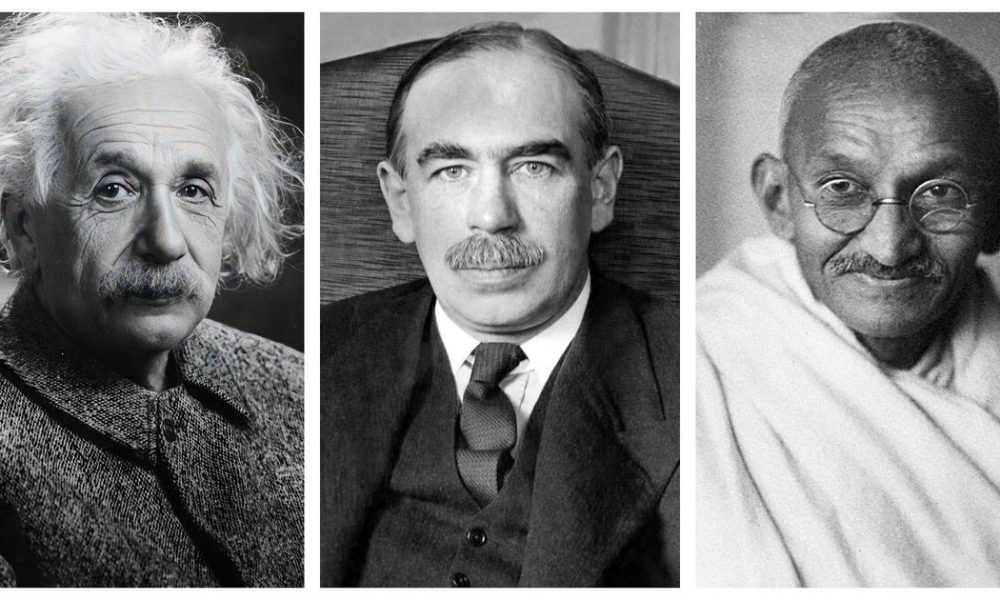
The world today is facing unprecedented crises that threaten the very fabric of human existence. Climate change has rendered vast areas uninhabitable, while economic disparities widen the gap between the rich and the poor. Additionally, violence is on the rise, both internationally and domestically, leading to a chaotic state of affairs. As humanity increasingly relies on technology for problem-solving, traditional governance structures are faltering. The pressing question remains: how much longer can we sustain these conditions?
To navigate through these turbulent times, we can draw wisdom from three titans of the twentieth century: Albert Einstein, John Maynard Keynes, and Mahatma Gandhi. Each of these figures offered profound insights in their respective fields—science, economics, and socio-political transformation—that are relevant today as we grapple with interconnected global challenges.
On June 23, the United Nations is set to release its latest assessment of progress made towards the Sustainable Development Goals (SDGs), which were established in 2015 with a target to achieve them by 2030. These 17 goals aim to tackle a range of pressing issues, from environmental degradation and climate change to poverty, inequality, and governance breakdowns. The interdependency of these goals highlights a critical truth: success in any one area is contingent upon success in others. For instance, continuing environmental degradation will only exacerbate poverty; conversely, without equitable health and education systems, the fight against poverty is likely to falter.
The 2024 report reveals a disheartening picture: progress has been made on only 16% of the goals, while 68% remain stagnant, and 16% have regressed. This stark reality prompts a call to action for nations, particularly in India, where the impacts of these global issues resonate deeply. The urgency for collaborative efforts to meet these goals is paramount. As the world’s largest democracy, India has the potential to lead by example, showcasing how socio-economic policies can harmonize with sustainable practices to foster long-term growth.
Gandhi’s principles of non-violence and community-focused development, Keynes’s advocacy for government intervention in the economy, and Einstein’s scientific rigor can collectively guide us towards innovative solutions. By embracing their teachings, we may yet find pathways to combat climate change, reduce inequality, and restore trust in governance. As we await the UN report, it’s crucial for India and other nations to reflect on these lessons and act decisively to ensure a sustainable future for all. The time for change is now.
Source: scroll.in







No Comment! Be the first one.