

Supreme Court Endorses Intensive Electoral Roll Revisions, Sparking Controversy Across India
The recent ruling by the Supreme Court on May 27 has significant implications for the electoral landscape in India, particularly with the approval of a special intensive revision of electoral rolls...

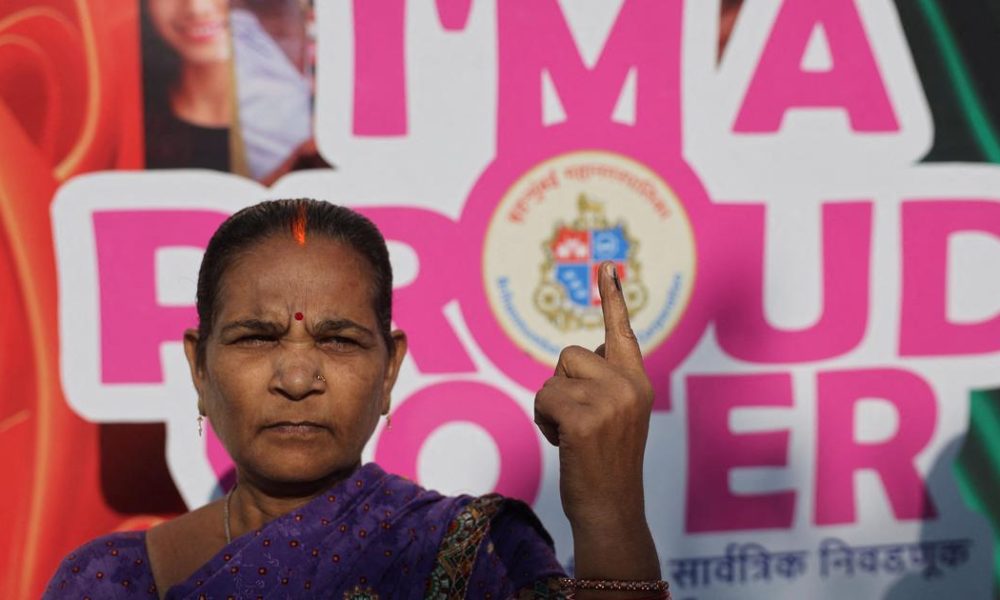
The recent ruling by the Supreme Court on May 27 has significant implications for the electoral landscape in India, particularly with the approval of a special intensive revision of electoral rolls in Bihar. This decision marks a notable shift from the traditional approach observed in the decades following India’s independence, where voter rolls were primarily shaped by the populace rather than dictated by authorities.
In a landmark verdict, the Supreme Court upheld the constitutionality of the Election Commission of India’s (ECI) procedures for the electoral roll revisions, stating that these actions do not contravene any established election laws. Historically, the onus of proving citizenship, in cases of doubt, has rested on the state rather than the individual voter. However, this ruling empowers the ECI to decide who qualifies for inclusion on the electoral rolls, even if those selected may have previously participated in elections.
Between July and September 2025, the ECI undertook a comprehensive revision of the electoral rolls in Bihar aimed at removing the names of deceased individuals, those who have migrated, and purported foreign illegal immigrants. This initiative has since broadened to encompass additional states across India, raising questions and concerns about the potential disenfranchisement of voters.
This electoral exercise has not been without controversy. In July 2025, the Association for Democratic Reforms challenged the ECI in court, arguing that the commission’s approach was flawed and could undermine democratic processes by disenfranchising eligible voters. Critics of the ruling fear it could lead to an environment where individuals are unjustly excluded from the electoral process, creating a chilling effect on voter participation.
The Supreme Court’s endorsement of this intensive revision process has opened a debate on the balance between ensuring the integrity of electoral rolls and protecting citizens’ rights to vote. As the ECI implements these changes nationwide, the implications for democracy and voter representation in India are profound. Observers will be keen to see how this ruling shapes future electoral exercises and its impact on the political landscape.
Source: scroll.in







No Comment! Be the first one.