

West Bengal Government to Drop ‘Dham’ from Digha’s Jagannath Temple Name
The West Bengal government, led by the Bharatiya Janata Party (BJP), has announced plans to remove the term “dham” from the name of the Jagannath temple located in Digha. This decision...

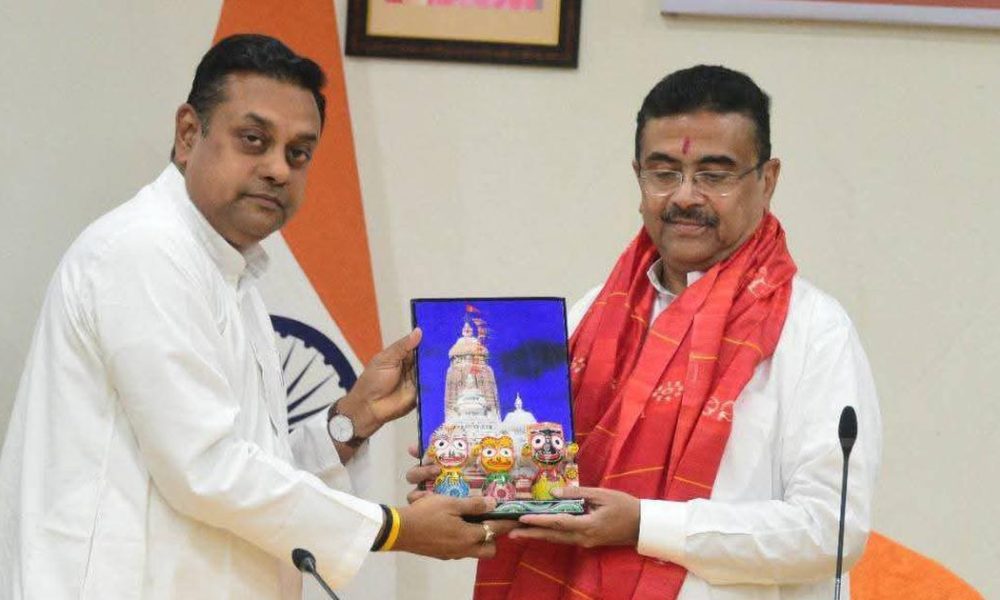
The West Bengal government, led by the Bharatiya Janata Party (BJP), has announced plans to remove the term “dham” from the name of the Jagannath temple located in Digha. This decision comes as a response to sentiments expressed by various leaders, including Odisha’s Chief Minister Mohan Charan Majhi, and reflects a broader discourse on cultural and religious identities.
According to reports, Chief Minister Suvendu Adhikari made the announcement following a formal request from Majhi, who emphasized that the inclusion of “dham” in the temple’s name conflicted with longstanding traditions in Hinduism. The temple, which was constructed during the tenure of the previous Trinamool Congress (TMC) government, has been at the center of this debate. Majhi had previously advocated for a name change but did not receive a favorable response from the TMC.
In a statement, Adhikari remarked, “In Sanatana Dharma, there are only four divine abodes, known as chaar dham. The naming of this temple as Jagannath Dham hurt the sentiments of Hindus both in Odisha and those from Odisha residing in Bengal. It is essential that we respect core Sanatana principles and not indulge in nomenclature that may offend the beliefs of many.” This reflects a growing trend among state governments to align cultural and religious symbols with historical and ideological authenticity.
This decision underscores the sensitive nature of religious identity in India, particularly in the context of regional politics. The Jagannath temple in Digha, though built under previous administration, is now viewed through the lens of contemporary political sentiments and cultural heritage. The BJP’s move can be seen as an effort to reinforce its connection with Hindu sentiments, particularly in light of the significance of the Jagannath deity, who is primarily worshipped in Odisha.
As political dynamics shift in West Bengal, issues surrounding identity and heritage are likely to become more pronounced. The changes to the temple’s name may resonate with many, but they also serve as a reminder of the complexities that arise in a diverse country like India, where religion and politics often intersect. Observers will be keen to see how this decision affects community sentiment and political alignments in the region moving forward.
Source: scroll.in







No Comment! Be the first one.