

Israel Launches Retaliatory Strikes on Iran Amid Rising Tensions
In a significant escalation of hostilities, Israel conducted airstrikes targeting military installations in western and central Iran on Monday. This marked the first military action since a ceasefire...

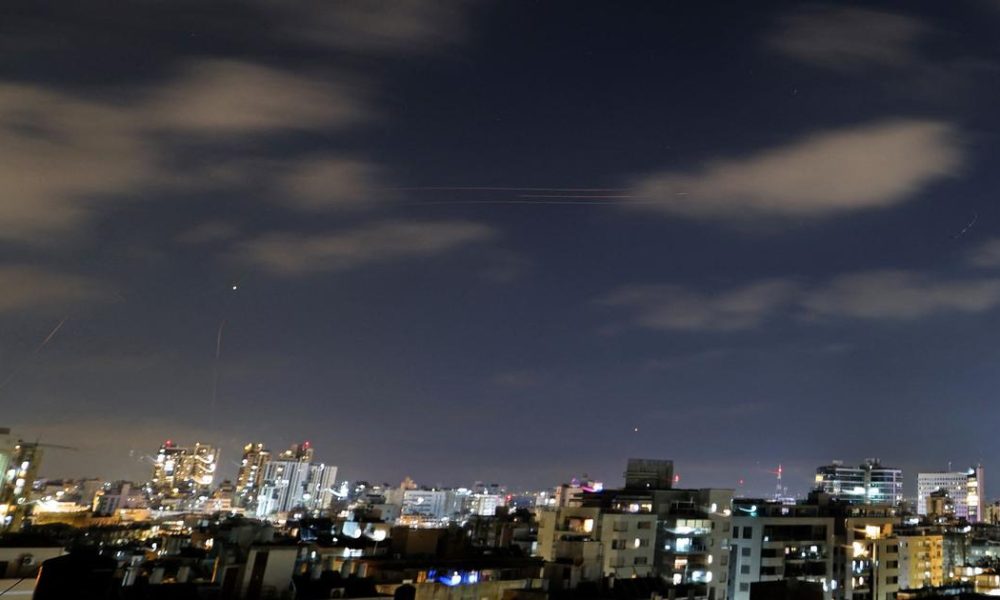
In a significant escalation of hostilities, Israel conducted airstrikes targeting military installations in western and central Iran on Monday. This marked the first military action since a ceasefire came into effect on April 8. The strikes were Israel’s response to a missile attack by Tehran, which had previously heightened regional tensions.
The Israeli moves come despite a warning from U.S. President Donald Trump, who reportedly advised Israeli Prime Minister Benjamin Netanyahu against further military action. Trump indicated that increased hostilities between Israel and Iran would not influence his administration’s ongoing diplomatic efforts with Tehran, noting that Netanyahu was not the ultimate decision-maker regarding these escalations.
Meanwhile, the Iranian government had issued stern warnings of retaliation following Israeli airstrikes on southern Beirut, Lebanon, which occurred just a day prior. The strikes were particularly provocative, occurring amidst calls from Washington for both sides to exercise restraint. Israel defended its actions by stating that the strikes were a response to rocket fire from Hezbollah, an Iran-backed militant group, targeting northern Israel earlier in the day.
On the same day of the Iranian strikes, Israel claimed to have intercepted a missile launched from Yemen, further illustrating the complex web of conflicts involving Iranian proxies across the region. This incident underscores the precarious security situation that Israel faces from multiple fronts.
The airstrikes on Beirut had taken place just days after an agreement was reached between Israel and Lebanon on June 3 to revive a ceasefire and to pursue negotiations for a more comprehensive peace agreement. However, the militant group Hezbollah, which is not part of the Lebanese government, has publicly rejected the deal, complicating the peace process further.
The ongoing tensions between Israel and Iran are a reflection of deeper geopolitical rivalries in the Middle East, where both countries are vying for influence. As hostilities escalate, the region remains on high alert, with potential ramifications that could impact not just local but global geopolitics.
Source: scroll.in







No Comment! Be the first one.