

Bangladesh’s Acceptance of India’s Border Killings Justifies Lethal Force, Analysts Say
In recent discussions surrounding border fatalities involving India’s Border Security Force (BSF), a consistent narrative has emerged from New Delhi: those who have been killed were engaged in...

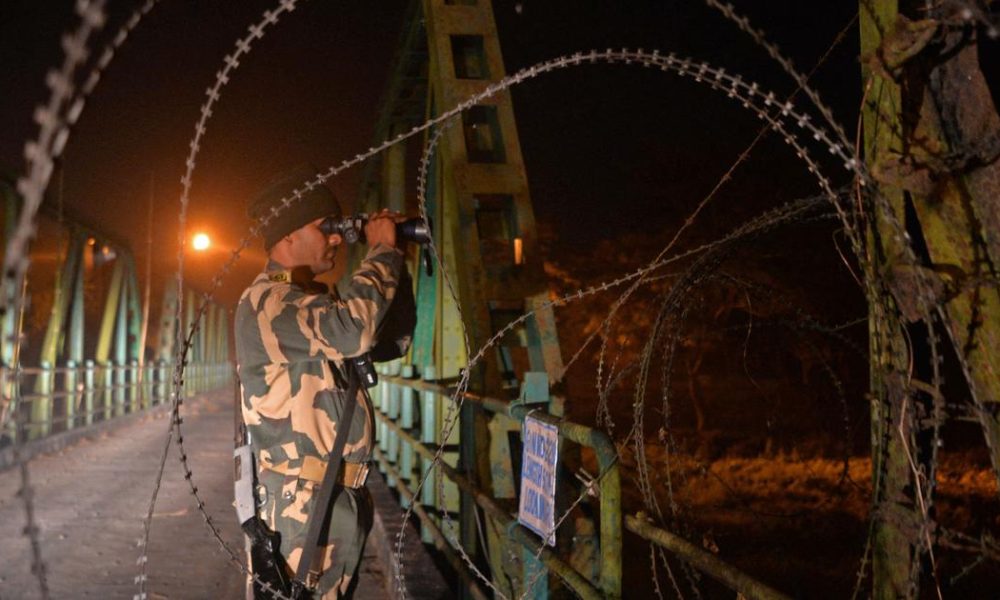
In recent discussions surrounding border fatalities involving India’s Border Security Force (BSF), a consistent narrative has emerged from New Delhi: those who have been killed were engaged in criminal activities, including smuggling, or the actions taken by the BSF were a response to self-defense. This framing effectively shifts the moral burden from the Indian forces to the deceased Bangladeshis, a tactic that has been employed to deflect accountability.
A report from the human rights organization Odhikar reveals that since the year 2000, the BSF has been implicated in the deaths of 1,236 Bangladeshi nationals. This alarming statistic highlights the severity of the situation along one of the world’s most perilous peacetime borders. Analysts in Bangladesh argue that this approach enables India to sidestep bilateral responsibility while relegating the growing death toll to what has increasingly become a diplomatic issue for Dhaka.
What has particularly drawn the ire of Bangladeshi policy analysts is the government’s willingness to accept India’s justifications for these killings. Just ahead of critical discussions between the Border Guard Bangladesh (BGB) and the BSF set for June 8, Bangladesh’s Home Minister Salahuddin Ahmed made a statement that seemed to concede ground ahead of negotiations. He remarked that fatalities occurring during acts of “criminal engagement or illegal intrusion” should not be categorized as border killings, a remark that seemed to preemptively align Dhaka with India’s narrative.
Critics argue that such statements undermine the gravity of the situation and dilute accountability. The fact that Salahuddin’s comments were not solicited by India raises questions about Bangladeshi diplomatic strategy and whether it is inadvertently legitimizing a narrative that minimizes the loss of life on its side of the border. Prior instances have shown that Bangladesh is often boxed into accepting India’s justifications, a trend that many fear could lead to a normalization of violence along the border.
The alarming frequency of these killings calls for a reevaluation of the bilateral relationship between India and Bangladesh. With the dialogue between the two border forces approaching, analysts suggest that Dhaka must take a firm stand on the issue of border security and the protection of its citizens. The continued loss of life at the border not only affects the families of the victims but also resonates through the fabric of bilateral relations, potentially sowing discord between the neighboring countries.
Source: scroll.in







No Comment! Be the first one.