

Anurag Kashyap’s ‘Bandar’: A Stark Reflection on the MeToo Movement
The latest film by Anurag Kashyap, titled Bandar (Monkey), delves deep into the complexities of modern relationships against the backdrop of the MeToo movement. The story centers around Samar,...

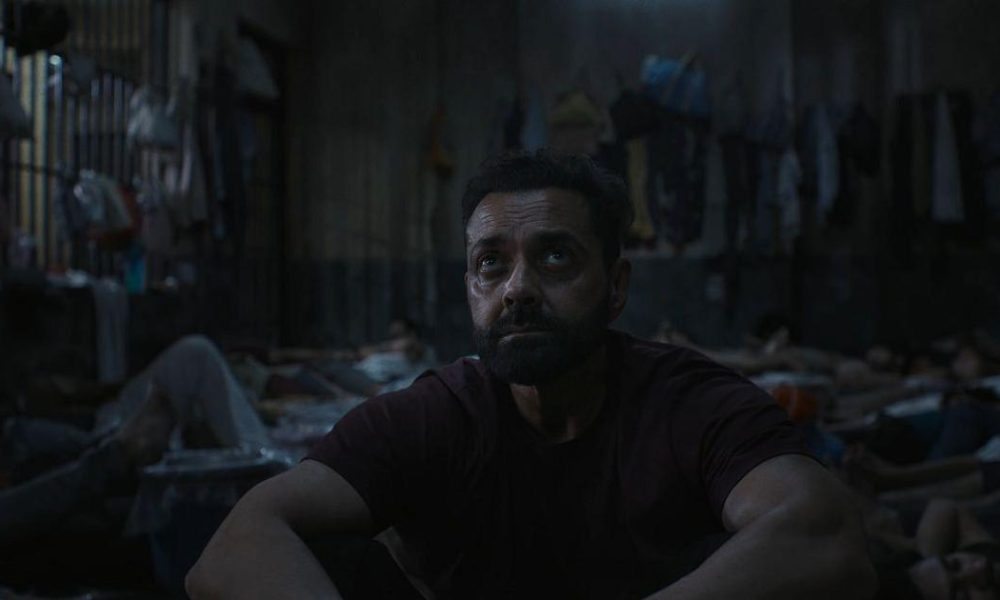
The latest film by Anurag Kashyap, titled Bandar (Monkey), delves deep into the complexities of modern relationships against the backdrop of the MeToo movement. The story centers around Samar, portrayed by Bobby Deol, an aging actor and singer whose star has dimmed. In a desperate attempt to rekindle his social life, he turns to dating applications, where he finds Khushi (played by Saba Azad). However, Samar’s past with an obsessive ex-girlfriend, Gayatri (Sapna Pabbi), haunts him, as her possessiveness prompts him to ghost her, leading to dire consequences.
The narrative takes a dark turn when Gayatri, enraged by being abandoned, falsely accuses Samar of rape. This unfounded allegation compounds his troubles, especially as he struggles to recall important details from their brief relationship. Meanwhile, his sister (Sanya Malhotra) and lawyer (Riddhi Sen) express their frustration over his inability to navigate the turbulence that surrounds him.
As Samar faces interrogation from various police personnel, portrayed by Jitendra Joshi, Nagesh Bhonsle, and Jaimini Pathak, the film explores the public’s perception of Bollywood figures. The portrayal of the prison system is equally grim; Samar finds himself in a hellish environment where overcrowding is rampant and survival hinges on loyalty and bribery. The tension escalates as rival gang leaders, Lijo (Indrajith Sukumaran) and Bilal (Ankush Gedam), vie for control over the inmates, heightening the sense of dread within the prison walls.
Kashyap’s Bandar is not merely a narrative about personal betrayal; it serves as a critique of the broader implications of the MeToo movement in India. By highlighting the brutal realities faced by men accused in a society that often rushes to judgment, the film prompts viewers to reflect on themes of power, vulnerability, and the consequences of false accusations. The film’s relentless tone and gripping storytelling compel audiences to confront uncomfortable truths about gender dynamics and the legal system.
In conclusion, Bandar is a significant cinematic work that challenges perceptions surrounding the MeToo movement while illuminating the often-overlooked plight of individuals accused of crimes in the public eye. It urges moviegoers to engage in a deeper understanding of the societal constructs that influence justice and morality.
Source: scroll.in






No Comment! Be the first one.