

Jet Fuel Prices Slashed for International Flights Amid Rising LPG Costs
In a recent move by oil marketing companies, the prices of aviation turbine fuel (ATF) for international flights have been reduced by a significant 27%. This decision brings the rates of jet fuel for...

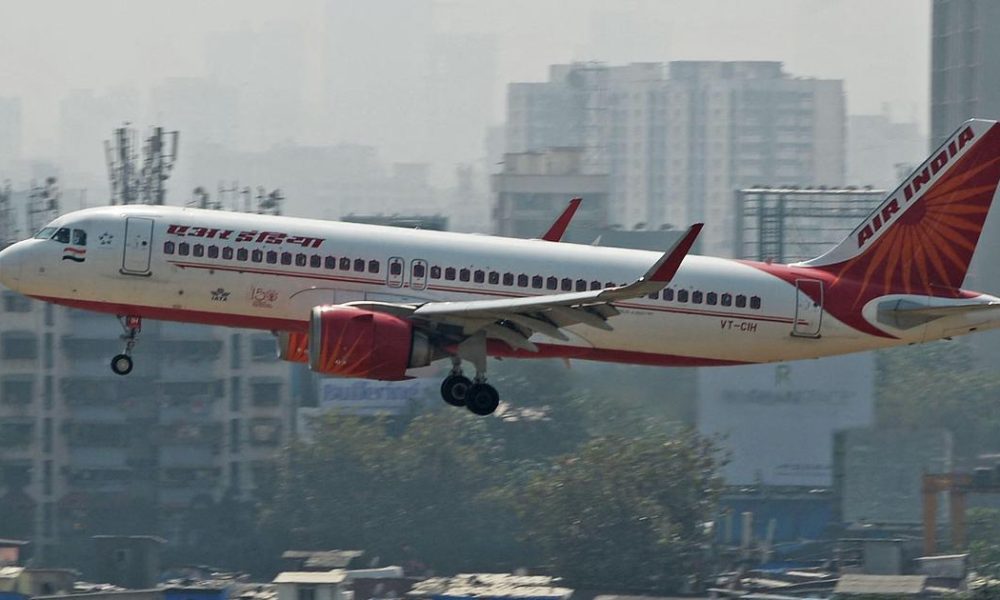
In a recent move by oil marketing companies, the prices of aviation turbine fuel (ATF) for international flights have been reduced by a significant 27%. This decision brings the rates of jet fuel for international operations in line with those for domestic flights, currently priced at Rs 104,927 per kilolitre in New Delhi. This price has remained stable for the past two months, following pleas from airlines for no further increases while the ongoing conflict in West Asia continues to influence global oil markets.
The conflict has had a far-reaching impact on oil prices worldwide, leading to increased operating costs for airlines, especially due to airspace restrictions. Notably, aviation turbine fuel constitutes approximately 40% of an airline’s operational expenses, making such adjustments crucial for the industry’s financial health. The recent cut in international jet fuel prices may provide some relief to airlines, allowing them to manage costs more effectively amidst the volatile international backdrop.
In contrast to the positive news for airlines, prices for commercial liquefied petroleum gas (LPG) have seen an increase. The cost of a 19 kg commercial LPG cylinder in Delhi has risen by Rs 42, setting the new price at Rs 3,113.5. This uptick is particularly concerning for households and businesses that rely on LPG for cooking and heating. Nonetheless, prices for domestic cooking gas cylinders have remained unchanged, offering a slight reprieve for residential consumers.
Furthermore, the retail price for 5 kg Free Trade LPG cylinders has also been increased by Rs 11, raising the cost to Rs 821.5 in the capital. These smaller cylinders are designed for convenience, allowing easy purchase without the necessity of address proof, thus catering mainly to migrants in urban and semi-urban environments. The increase in costs for these cylinders adds to the financial burden on many who rely on them for their daily needs.
As the government navigates through these challenging economic waters, the juxtaposition of reduced air travel costs and increased LPG prices reflects the complex nature of energy pricing in India. While the cut in jet fuel prices aims to support the aviation sector amidst global uncertainties, the rising costs of essential commodities such as LPG pose a significant challenge for consumers. As the situation develops, stakeholders across sectors will be watching closely to see how these changes impact the broader economic landscape.
Source: scroll.in







No Comment! Be the first one.