

Wandering Cheetahs Spark Concerns Over India’s Rewilding Efforts
India’s wildlife conservation initiative, Project Cheetah, is venturing into unexpected realms as male cheetahs continue to roam far beyond their designated habitats. Recently, a young male...

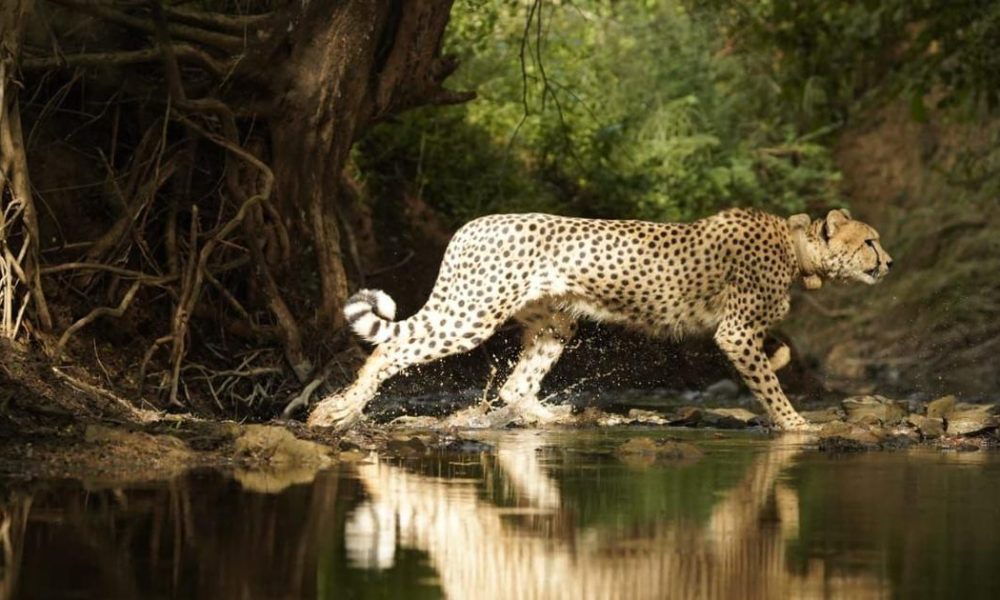
India’s wildlife conservation initiative, Project Cheetah, is venturing into unexpected realms as male cheetahs continue to roam far beyond their designated habitats. Recently, a young male cheetah, known as KP-2, made headlines by traveling over 150 kilometers from Kuno National Park into the tourist-rich Ranthambore Tiger Reserve in Rajasthan. This notable journey has not only piqued public interest but also raised intriguing questions about the effectiveness of the rewilding project.
Although KP-2’s adventurous spirit is not new—this young cheetah has previously been known for long-distance wanderings—this latest excursion into the popular tourist zone of Ranthambore has captured the attention of many. The excitement peaked when visitors to the park were treated to a rare spectacle: a simultaneous sighting of three big cats, including a tiger, a leopard, and KP-2 the cheetah, all sharing the same landscape.
KP-2 spent over a month exploring Ranthambore, actively seeking to establish its territory. However, as a precautionary measure and in response to the potential risks associated with its prolonged absence from Kuno, the cheetah was captured and returned to its original habitat just days before a scheduled visit by Madhya Pradesh Chief Minister Mohan Yadav. This move underscores the delicate balance that wildlife managers must maintain between encouraging natural behaviors in these animals and ensuring their safety.
KP-2 is not alone in its exploratory behavior; its sibling, KP-3, has also ventured away from Kuno, moving towards the Dholpur area in Rajasthan. These sub-adult males are at a critical stage in their development, and their wanderings could provide valuable insights into their adaptability and the challenges they face in a new environment. Project Cheetah, officially launched in September 2022, aims to reintroduce African cheetahs into India nearly seven decades after the Asiatic cheetah’s extinction in the country.
The ambitious project has sparked enthusiasm among wildlife enthusiasts and conservationists, but the recent movements of these cheetahs have prompted renewed discussions about the feasibility of such rewilding efforts. Ensuring the safety and integration of these majestic creatures into India’s ecosystems is a complex challenge, highlighting the need for ongoing research and monitoring.
Source: scroll.in







No Comment! Be the first one.