

Traffic Plays a Key Role in Urban Heat: Study Reveals
Urban living has become a hallmark of modern life, with over half of the global population residing in cities. However, these urban centers often experience elevated temperatures compared to their...

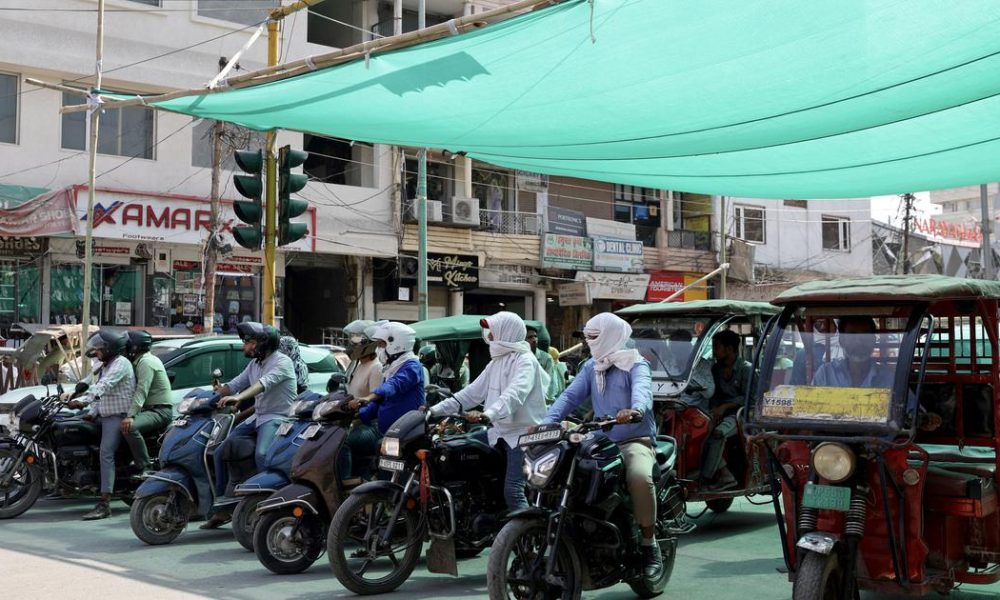
Urban living has become a hallmark of modern life, with over half of the global population residing in cities. However, these urban centers often experience elevated temperatures compared to their rural counterparts. This phenomenon is commonly known as the urban heat island effect, which is primarily attributed to concrete structures, asphalt roads, and other man-made surfaces that absorb and retain heat throughout the day, releasing it slowly at night.
While discussions about the urban heat island effect frequently revolve around buildings and their energy consumption, a new study sheds light on an often-overlooked contributor: vehicular traffic. Motor vehicles, especially those powered by petrol and diesel, not only contribute to air pollution but also release a significant amount of waste heat. The internal combustion engines, exhaust systems, and even the friction produced by tires and brakes can elevate local temperatures considerably.
This study, conducted by researchers analyzing two major European cities, emphasizes the notable impact of traffic on urban heat levels. In Toulouse, a city in southern France, the research found that traffic raises the average annual air temperature by approximately 0.4 degrees Celsius. Meanwhile, in Manchester, a cooler northern city in the UK, traffic was also identified as a critical factor in urban heating. The findings suggest that in areas with heavy traffic and limited airflow, vehicular emissions can significantly contribute to the overall temperature increase.
This research brings to light an essential aspect of urban planning and climate adaptation strategies, especially as cities in India continue to expand. Indian metropolises like Mumbai, Delhi, and Bengaluru face similar challenges with rising temperatures exacerbated by traffic congestion and infrastructure development. As residents grapple with extreme heat, understanding the role of traffic emissions becomes vital in crafting effective urban policies.
Addressing the heat generated by transportation should become a priority for city planners and policymakers. Initiatives could include promoting electric vehicles, enhancing public transport systems, and creating green spaces to help mitigate heat effects. By acknowledging and tackling the contributions of traffic to urban heat, cities can work towards a more sustainable and cooler living environment.
Source: scroll.in







No Comment! Be the first one.