

Allahabad High Court Grants Bail to Six Men Arrested for Iftar Party on Ganga
The Allahabad High Court has granted bail to the final six of the fourteen Muslim men who were arrested following an iftar party held on a boat in the Ganga River, where they reportedly consumed...

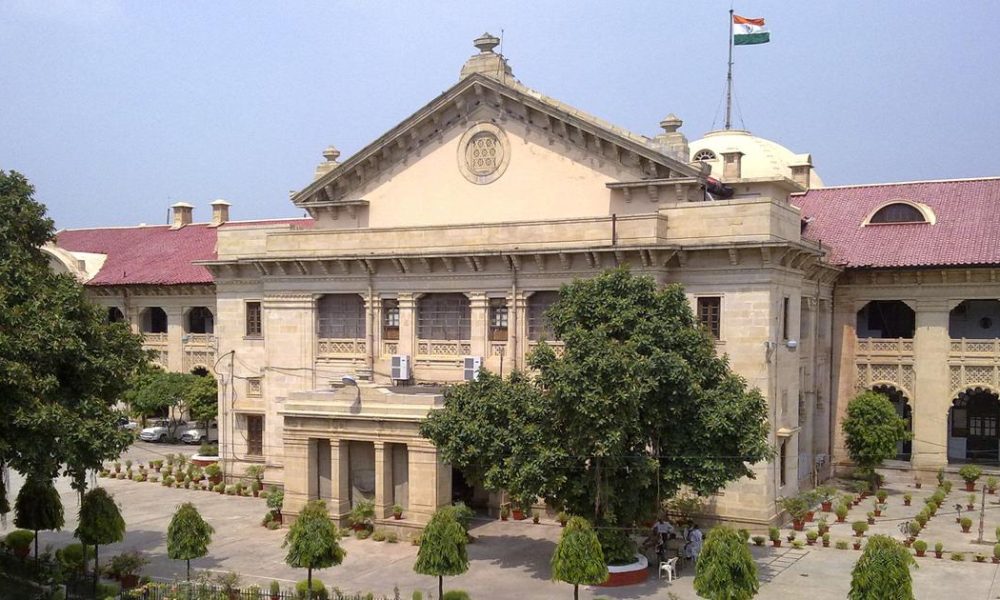
The Allahabad High Court has granted bail to the final six of the fourteen Muslim men who were arrested following an iftar party held on a boat in the Ganga River, where they reportedly consumed chicken biryani. This decision was made public on Monday, marking a significant turn in a case that has stirred considerable social media attention and debate.
The arrests occurred after a video of the gathering on March 16 went viral, prompting police action. Initially, the men faced a strong backlash, which was reflected in the actions taken by local law enforcement. Justice Rajiv Lochan Shukla, presiding over the case, noted that eight of the fourteen individuals had already been granted bail, and there was no substantial reason to deny the remaining six the same consideration.
Justice Shukla’s previous ruling on May 15 saw five of the accused being released on bail, as the judge acknowledged their remorse for the incident and the distress it caused to the broader community. On that same day, fellow Justice Jitendra Kumar Sinha also released three other individuals involved in the case. This series of bail grants contrasts sharply with earlier decisions made by a session court in Varanasi, which had denied bail on April 1, asserting that the alleged offences were of a serious and non-bailable nature.
The case has raised discussions about cultural practices and social norms within Indian society, particularly the sensitivities surrounding communal activities and dietary choices. The iftar party was organized during the holy month of Ramadan, a significant time for Muslims, which adds another layer of complexity to the situation. As the court proceedings unfolded, they highlighted the intersection of law, cultural practices, and community sentiments.
Monday’s decision from the High Court appears to reflect a shift towards a more lenient approach, as the judge emphasized the importance of understanding and addressing the broader societal impacts of such incidents. The case continues to draw attention to the underlying issues of communal harmony and the legal system’s role in mitigating conflicts arising from cultural practices in contemporary India.
Source: scroll.in







No Comment! Be the first one.