

Political Promises and Protest Withdrawals: Can Criminal Cases Be Lifted?
The ongoing tensions surrounding student protests in India have recently escalated into a complex legal and political debate. The Cockroach Janta Party’s negotiations last weekend aimed at...

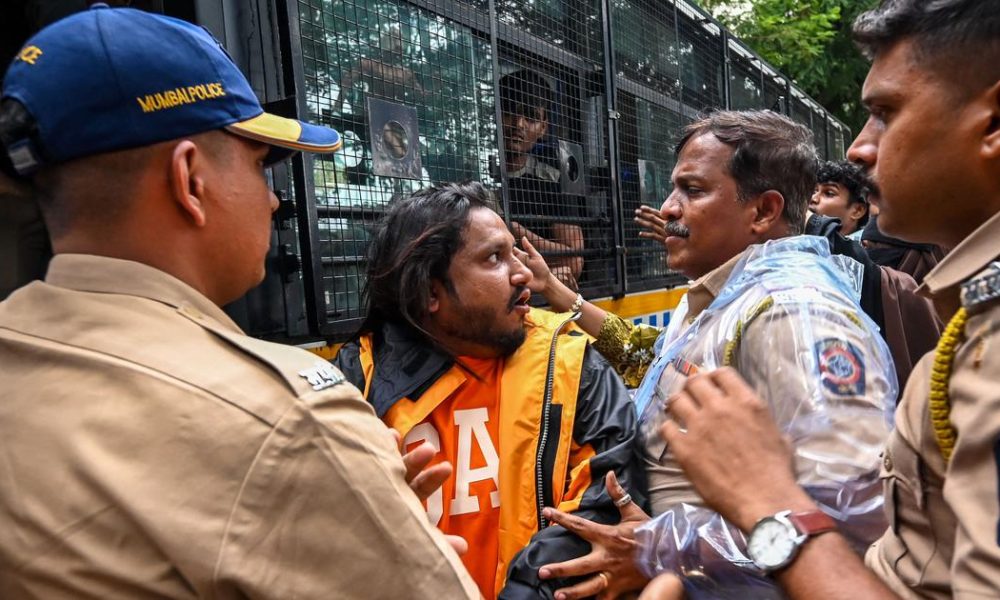
The ongoing tensions surrounding student protests in India have recently escalated into a complex legal and political debate. The Cockroach Janta Party’s negotiations last weekend aimed at resolving widespread demonstrations against alleged inconsistencies and question-paper leaks in national medical college entrance exams have raised pertinent questions about the limits of political commitments and their implications for the law.
The protests, which intensified on July 20, witnessed students marching towards Parliament, demanding the resignation of the education minister. Protesters accused law enforcement of using excessive force against them, while the police claimed they were met with violence, including stone-pelting. In response, criminal cases were filed across several states, including allegations of rioting.
In a significant turn, the Cockroach Janta Party announced a cessation of the protests, asserting that the government had made certain assurances. They claimed that there would be no punitive measures against protesters in states ruled by the Bharatiya Janata Party (BJP) and its allies, and that cases against these demonstrators would be retracted. Following this announcement, states like Bihar, Assam, West Bengal, and Maharashtra indicated they would move forward with withdrawing charges and releasing detained protesters.
However, the legal framework surrounding these developments came under scrutiny following a Supreme Court order issued on July 28. While allowing investigations to proceed, the court directed that no coercive actions be taken against protesters, creating a legal conundrum regarding the government’s promises. This situation has sparked a debate about whether political assurances can genuinely influence judicial proceedings and the withdrawal of criminal cases.
The intersection of politics and law in India often leads to such complexities, particularly in cases concerning youth activism. As the nation watches closely, the implications of this situation could set precedents for how future protests are managed and how political parties engage with their constituents on matters of governance and justice.
Source: scroll.in




No Comment! Be the first one.