

The Joy of Unread Books: Understanding the Phenomenon of Tsundoku in Modern Life
In today’s fast-paced world, many individuals find themselves yearning for the time to indulge in their love for reading. With busy schedules filled with work commitments, family responsibilities,...

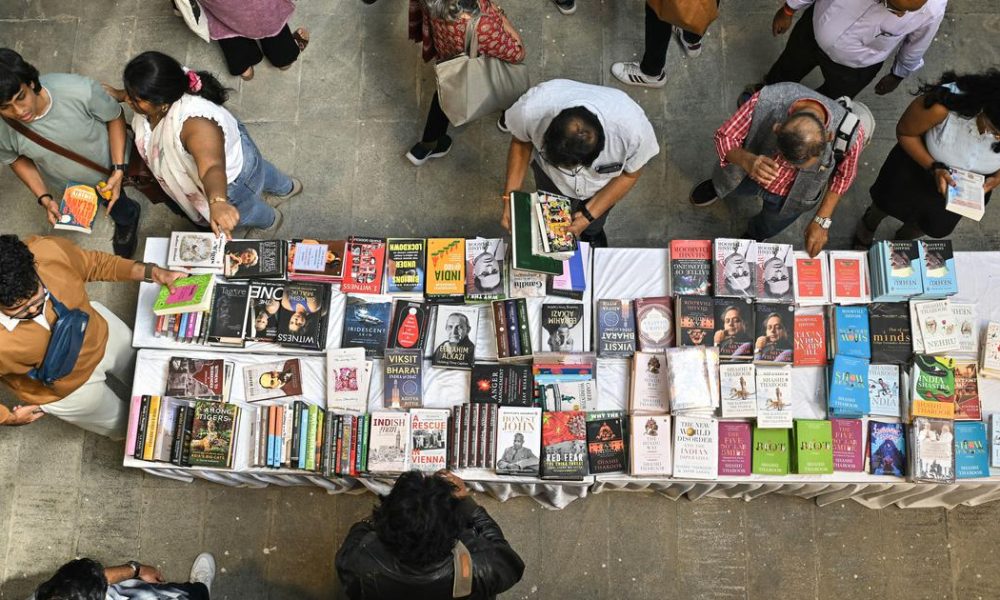
In today’s fast-paced world, many individuals find themselves yearning for the time to indulge in their love for reading. With busy schedules filled with work commitments, family responsibilities, and a myriad of daily tasks, the dream of curling up with a good book often gets sidelined. As one wanders through a bookshop, the sight of enticing titles can ignite a desire to acquire them, even if the reality of reading them seems distant.
This phenomenon is not merely a quirk of modern living; it has a name that originates from Japan: tsundoku. This unique term encapsulates the practice of purchasing books and letting them pile up unread. Derived from the words ‘tsunde’ meaning to stack things, and ‘oku’ which means to leave for later, tsundoku aptly describes the bittersweet relationship many have with their literary aspirations. Rather than being dismissed as mere clutter, these unread books symbolize a hopeful anticipation of future moments when one might finally dive into their pages.
Interestingly, the habit of tsundoku may hold deeper psychological implications. Neuroscience suggests that when we encounter items that promise enjoyment, such as a captivating book, our brain’s reward system activates. This reaction is predominantly driven by dopamine, a neurotransmitter associated with pleasure and reward. The simple act of purchasing a book can trigger this dopamine release, creating a sense of satisfaction and fulfillment, even before the book is opened.
For many Indian readers, the allure of a new book goes beyond the pages themselves. It represents a personal journey, a potential escape from the stress of everyday life, or an opportunity to gain new insights. With the rise of online bookstores and e-commerce, the accessibility of literature has only fueled this phenomenon. Whether it’s a bestseller, a classic, or a niche title, the excitement of exploration drives readers to expand their collections, even as their reading time remains limited.
Moreover, the cultural significance of books in India cannot be overstated. They are seen as vessels of knowledge and wisdom, often passed down through generations. As more young people embrace reading, tsundoku can also be viewed as a manifestation of a growing literary culture, where the intent to read fuels the desire to acquire. Ultimately, each unread book serves as a promise of future engagement, a testament to the unyielding hope that one day, amidst life’s chaos, there will be time to finally enjoy the stories that await.
Source: scroll.in







No Comment! Be the first one.