

Youth Disillusionment: How Pro-Modi Sentiment Shifted Among a New Generation
In 2014, when Narendra Modi ascended to the Prime Ministership, many young Indians, including Kiran from Rajasthan’s Bikaner district, were largely unaware of the political climate. Growing up...

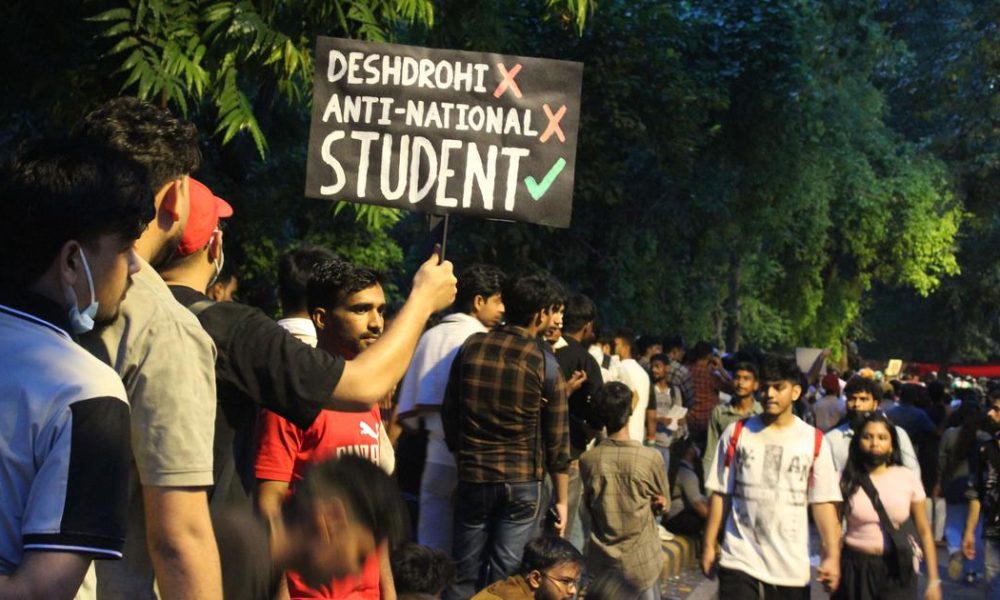
In 2014, when Narendra Modi ascended to the Prime Ministership, many young Indians, including Kiran from Rajasthan’s Bikaner district, were largely unaware of the political climate. Growing up in a rural environment where child marriages were prevalent, Kiran was fortunate to have a family that prioritized education. She reflected, “I am the only girl in my extended family to have left home for education.” Now 20, Kiran lives in Delhi and has experienced a significant shift in her views since her childhood.
Initially, like many others in her community, Kiran felt a sense of security under Modi’s governance, largely due to the pro-Modi narratives surrounding her. Her parents, who are not particularly politically inclined, voted for Modi without much scrutiny. “For a long time, I thought everything was fine and that the Modi government was doing a good job,” Kiran stated. However, her perception began to alter dramatically when she moved to Delhi to pursue an undergraduate degree in political science two years ago.
In her new environment, Kiran encountered a broader and more diverse perspective. She was exposed to various narratives, particularly about marginalized communities that felt neglected under the current regime. As she delved deeper into her studies, she became aware of the socio-economic disparities and the plight of groups that had not seen tangible improvements in their lives over the last decade. “In our class of 72 students, only one was Muslim,” Kiran noted, recalling how conversations with her classmate opened her eyes to experiences that were starkly different from her own.
This awakening has led Kiran to question the monolithic portrayal of Modi’s government as universally beneficial. She now sees the growing concerns among various communities, particularly the Muslim minority, who have been subjected to rising intolerance and discrimination. The initial trust she had in Modi’s leadership has been replaced by skepticism as she grapples with the realities faced by those around her.
The transformation in Kiran’s views reflects a broader trend among India’s youth, who are increasingly finding their voices and advocating for change. As they navigate their educational journeys and interact with diverse ideologies, many are beginning to challenge the narratives that once dominated their understanding. This shift signals a potential reevaluation of political allegiance among the younger generation, who are now demanding accountability and inclusivity in governance.
Source: scroll.in






No Comment! Be the first one.