

Government Introduces Stricter Anti-Cheating Measures for Public Examinations
The Indian government is set to present a significant amendment to the Public Examinations Prevention of Unfair Means Act in the Lok Sabha on Monday. This move aims to tighten regulations against...

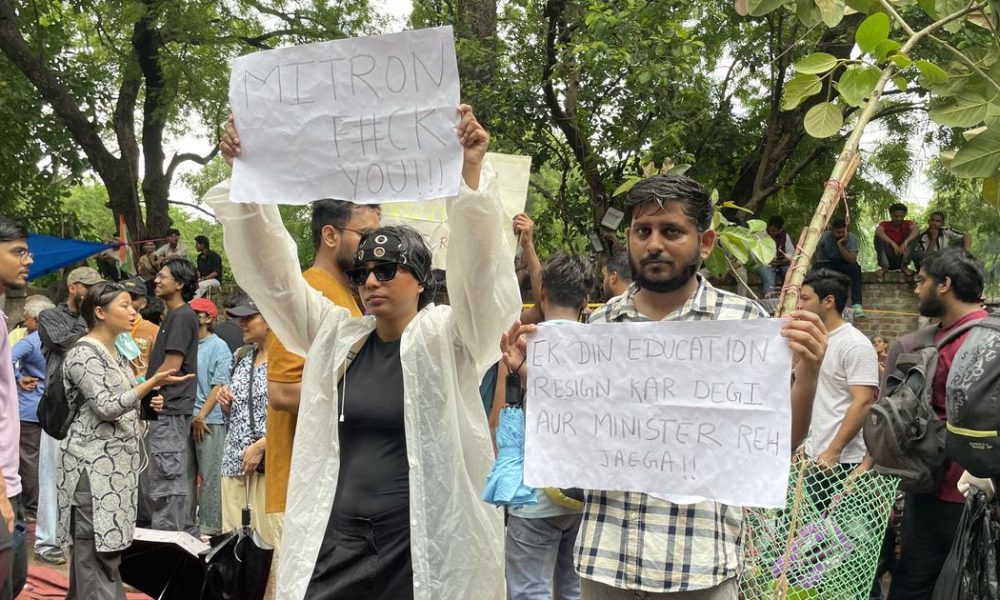
The Indian government is set to present a significant amendment to the Public Examinations Prevention of Unfair Means Act in the Lok Sabha on Monday. This move aims to tighten regulations against cheating in public exams and reflects a growing concern over integrity in the educational system.
The proposed amendment, known as the 2026 Public Examinations Prevention of Unfair Means Amendment Bill, introduces a range of stringent measures intended to deter malpractice. According to reliable sources, the bill will include harsher penalties for individuals caught using unfair means during public examinations, with prison sentences increasing from the current three to five years to a new range of five to ten years. Moreover, the maximum fine imposed for such offences will rise dramatically from Rs 10 lakh to Rs 50 lakh.
In addition, the amendment proposes an increase in the minimum sentence for organized exam-related crimes from five years to seven years, alongside a significant hike in the minimum fine from Rs 1 crore to Rs 10 crore. This reflects a clear intention by the government to crack down on organized cheating networks that threaten the integrity of educational assessments.
To ensure the swift handling of such cases, the bill calls for the establishment of a Special Task Force, which will be empowered to investigate serious offences related to public examinations. Investigations conducted by this task force, as well as by police and central investigating agencies, will be required to be completed within a strict two-month timeframe.
Furthermore, the legislation proposes the creation of Special Fast Track Courts specifically designated to address cases stemming from this new legislation, aiming for expedited legal proceedings. Union Minister Jitendra Singh is expected to advocate for the bill during its introduction in the House, following a significant cabinet shuffle that saw Union Education Minister Dharmendra Pradhan resign on the same day the bill was circulated among Members of Parliament.
As educational integrity continues to be a pressing issue in India, the government’s initiative highlights its commitment to combat cheating and enhance the credibility of public examinations. The proposed changes serve as a timely response to ongoing concerns about the rising prevalence of unfair practices in the education sector, which undermines the hard work of honest students.
Source: scroll.in







No Comment! Be the first one.