

Amidst Allegations of Election Fraud, Indian Students Turn to Protests for Change
The political landscape in India is heating up as discontent grows among the youth regarding perceived electoral malpractice. Recently, a provocative message—”Vote Chor Modi”—was spotted...

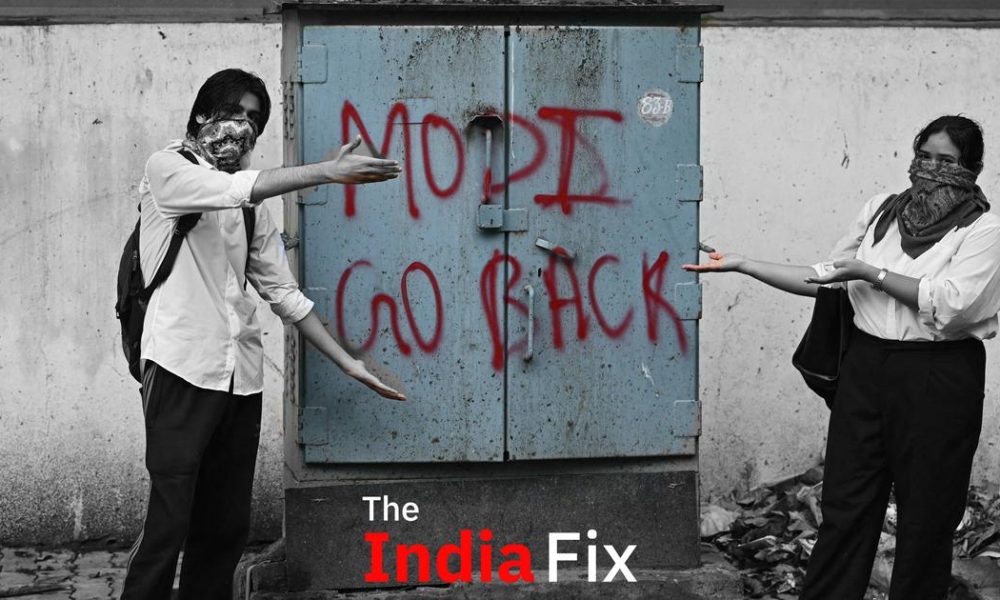
The political landscape in India is heating up as discontent grows among the youth regarding perceived electoral malpractice. Recently, a provocative message—”Vote Chor Modi”—was spotted on a wall near Jantar Mantar, a historic observatory in New Delhi. This phrase, meaning ‘vote thief Modi,’ encapsulates the frustration of many who accuse Prime Minister Narendra Modi and his Bharatiya Janata Party (BJP) of manipulating election outcomes.
The outcry comes in the wake of ongoing protests led primarily by students against the alleged mishandling of examination processes, particularly concerning the leaks of question papers. This past week, hundreds of young individuals have gathered in the heart of the capital, calling for the resignation of the Union Minister for Education. Their demands reflect a broader sense of urgency and accountability in a system perceived as flawed.
In a controversial response to the protests, the Modi administration opted for a heavy-handed approach. Rather than engaging in dialogue with the demonstrators, police were dispatched to forcibly detain prominent activist Sonam Wangchuk, who has been on a hunger strike to support the students’ cause. This heavy-handed tactic has been likened to striking at a wasp’s nest—a move that may escalate tensions rather than quell them.
On Monday, the scale of dissent became even more evident as an estimated 100,000 students attempted to march towards Parliament. However, their path was obstructed by law enforcement, symbolizing the increasing chasm between the government and the populace. The sheer number of protesters highlights the growing impatience amongst the youth, who feel disenfranchised and unheard in a rapidly changing political environment.
The situation raises significant questions about the future of political engagement in India. With allegations of electoral rigging gaining traction, many are left wondering if protests have become the only viable avenue for citizens to express their grievances. As the government grapples with this newfound wave of dissent, it remains to be seen how effectively they will respond to the demands of a generation that is increasingly willing to take a stand for their rights.
Source: scroll.in






No Comment! Be the first one.