

India’s Dispute with WhatsApp Over Usernames: A Concern for Digital Privacy
The ongoing conflict between the Indian government and WhatsApp regarding the introduction of usernames has ignited significant debate about privacy and censorship in the digital space. Following...

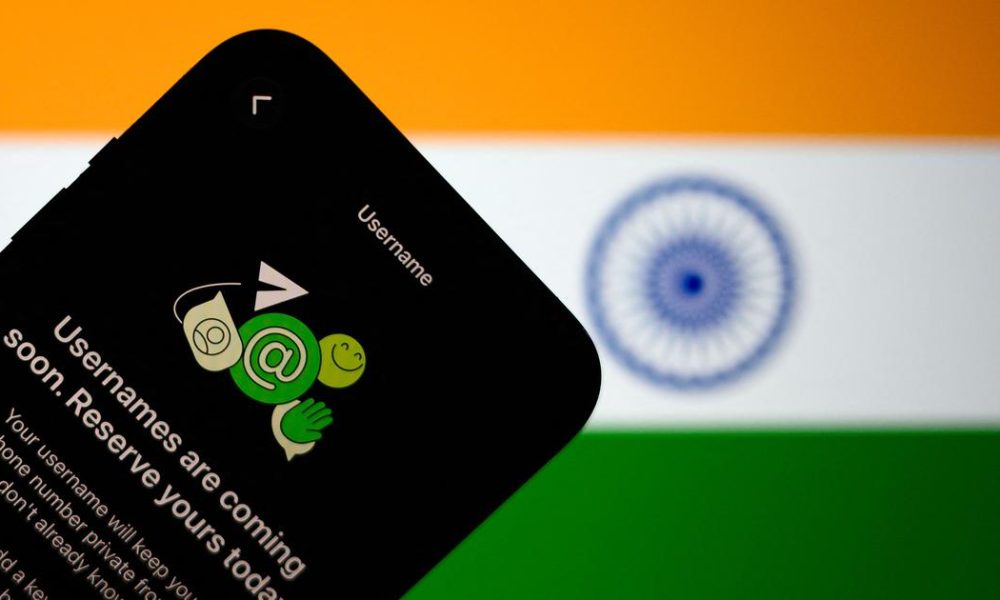
The ongoing conflict between the Indian government and WhatsApp regarding the introduction of usernames has ignited significant debate about privacy and censorship in the digital space. Following WhatsApp’s global rollout of usernames on June 29, which allows users to communicate without disclosing their phone numbers, the Indian administration has raised alarms. Officials argue that allowing pseudonymous accounts could facilitate impersonation and increase the risk of scams and financial fraud.
In its efforts to regulate the digital landscape, the Indian government has also reached out to other messaging platforms, including Telegram and Signal, which already permit users to operate under usernames instead of phone numbers. The government requested a comprehensive response from all three platforms by July 9, seeking clarity on their policies regarding user privacy and security. WhatsApp has reportedly submitted a written response that is currently under review by authorities.
This situation presents a pivotal moment not just for India but for digital communications globally. Experts like Namrata Maheshwari, who serves as the policy counsel and encryption policy lead at Access Now, have warned that if WhatsApp capitulates to the Indian government’s demands and either alters or eliminates the username feature, it may set a dangerous precedent. Such a concession could potentially lead to similar demands from other countries, thereby stifling innovation and increasing governmental control over digital privacy.
Maheshwari expressed concerns about the broader implications of this scenario, noting that once a government successfully pressures a platform to change its policies, it creates a blueprint that other nations could follow. This situation raises critical questions about the balance between user privacy and government regulation, especially in a country like India, where digital communication is an integral part of daily life.
As the dialogue continues, the outcome of this dispute will likely influence how digital identity and privacy are navigated not only in India but also across the international stage. The ongoing developments could serve as a bellwether for the relationship between governments and technology companies in an increasingly interconnected world.
Source: scroll.in







No Comment! Be the first one.