

Exploring Identity and Displacement in Abdulrazak Gurnah’s ‘Admiring Silence’
In a world often riddled with chaos and existential uncertainty, Abdulrazak Gurnah’s novel, ‘Admiring Silence,’ presents a profound exploration of identity and the intricacies of...

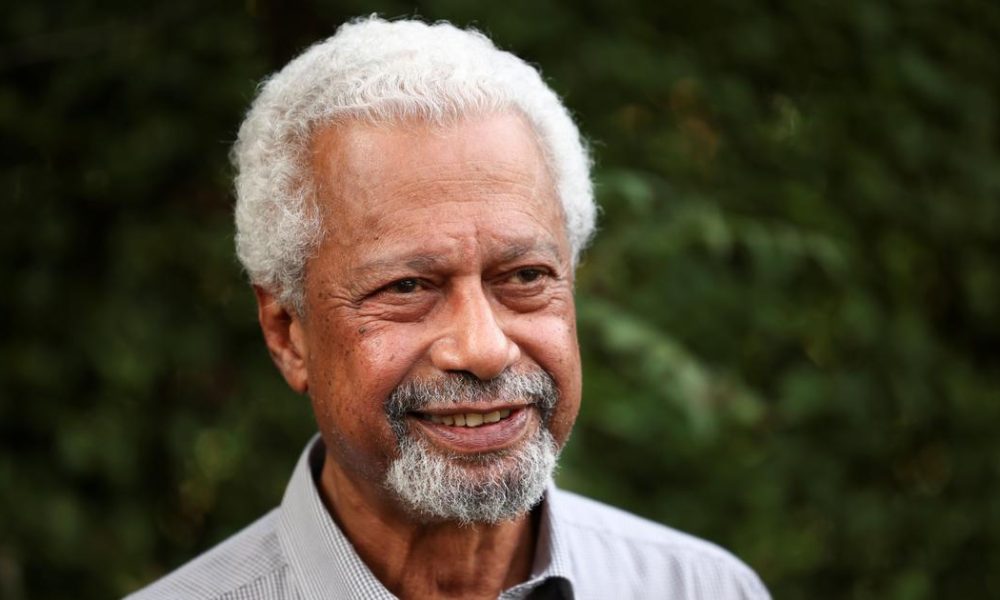
In a world often riddled with chaos and existential uncertainty, Abdulrazak Gurnah’s novel, ‘Admiring Silence,’ presents a profound exploration of identity and the intricacies of displacement. Originally published in 1996, this work has resurfaced in contemporary discussions, particularly following Gurnah’s recognition as the Nobel Prize in Literature laureate in 2021. This late acclaim for an author who had previously faced commercial challenges underscores the evolving landscape of literary appreciation and the importance of diverse narratives in modern literature.
‘Admiring Silence’ delves into the emotional and material adjustments required when one is uprooted from their homeland. Gurnah weaves a narrative that reflects the universal struggle of finding one’s place in a new environment while grappling with the nostalgia and pain of leaving one’s past behind. His protagonist embodies a sense of loss that resonates deeply, echoing sentiments familiar to many in a rapidly globalizing world, including the experiences of those in India who face similar dislocations in their lives.
The author’s unique voice and perspective bring to light the complexities of cultural identity, particularly in postcolonial contexts. Gurnah’s portrayal of the temptation to reshape one’s history in order to gain acceptance in a new home is particularly poignant. In a society often eager to categorize individuals based on their origins, the struggle for recognition of one’s multifaceted identity becomes a central theme. This resonates with the Indian ethos, where diverse cultural narratives coexist and often clash.
Moreover, Gurnah’s prose is imbued with a rich tapestry of humor, even in the face of tragedy. His ability to infuse postcolonial themes with wit allows for a reflective, yet accessible reading experience. The juxtaposition of humor against serious themes invites readers to engage with the text on multiple levels, prompting them to consider their own histories and the stories they tell about themselves.
With each reading of Gurnah’s work, one may find themselves drawn deeper into the layers of meaning and emotion present in his storytelling. His dedication to exploring the nuances of belonging and identity not only captivates but also challenges readers to reflect on their own narratives. As India continues to navigate its own postcolonial identity, Gurnah’s insights offer a valuable perspective on the ongoing journey of self-discovery in a fragmented world.
Source: scroll.in







No Comment! Be the first one.