

Daisy Rockwell: Unveiling the Complex Narratives of Partition and Identity Through Translation
Daisy Rockwell, an acclaimed translator who recently clinched the International Booker Prize, has garnered attention for her profound translations of Hindi and Urdu literature into English. Her body...

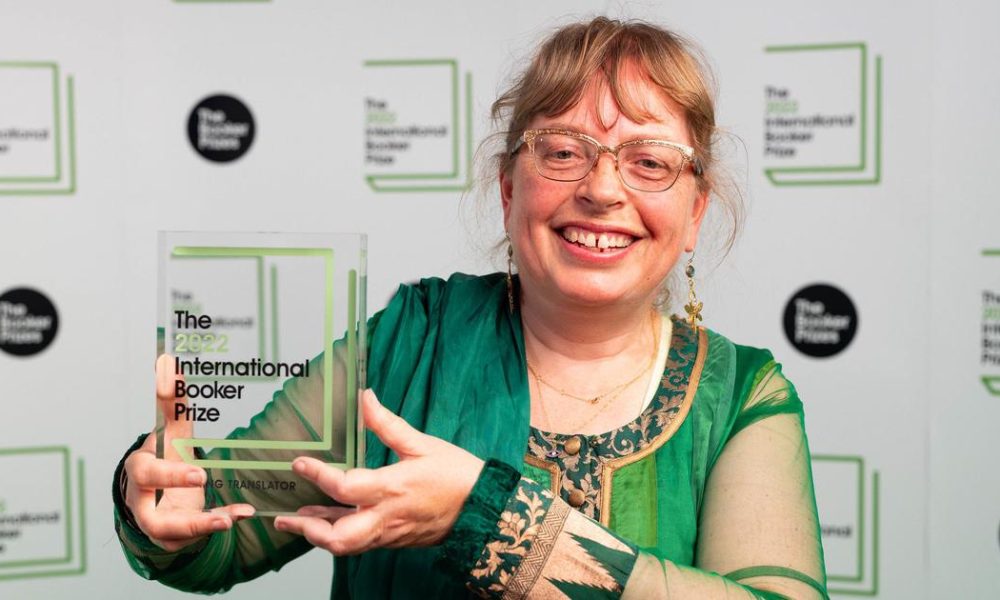
Daisy Rockwell, an acclaimed translator who recently clinched the International Booker Prize, has garnered attention for her profound translations of Hindi and Urdu literature into English. Her body of work consistently reflects the turbulent themes of religious extremism and sectarian violence, intricately woven into the fabric of the narratives she chooses to translate. Her translations not only bridge linguistic gaps but also provide critical insights into the socio-political landscape of India.
In her translation of Geetanjali Shree’s collection titled Once Elephants Lived Here, Rockwell explores the haunting repercussions of historical trauma through the lens of personal stories. The titular collection delves into the unresolved grief stemming from the Partition of India, a theme that is poignantly portrayed in her translation of Shree’s novel Tomb of Sand. This narrative follows an 80-year-old woman who embarks on an emotional journey from India to Pakistan to confront her past, confronting the shadows of a divided history that continue to linger.
Rockwell’s earlier work with Bhisham Sahni’s novel Tamas also immerses readers in the violent realities of pre-Partition Punjab, where communal tensions culminated in tragedy. The gripping narrative highlights a tumultuous period marked by what Rockwell describes as an “orgy of bloodlust.” This pattern of exploring loss and dislocation recurs in her translation of Krishna Sobti’s A Gujarat Here, A Gujarat There, which encapsulates the sense of grief experienced during and after the Partition.
In addition to historical accounts, Rockwell’s translations often shed light on the women’s experiences during these tumultuous times. Her translation of Khadija Mastur’s Aangan reveals the suffocating circumstances faced by women in the 1940s, with Partition casting a long shadow over their lives. Furthermore, her translation of The Promised Land reflects the chaos and disarray experienced by Partition refugees, adding layers to the narrative of identity and belonging in a rapidly changing landscape.
Through her work, Rockwell emphasizes the importance of confronting unsettling truths about history and identity. She argues that every footnote in her translated works serves as a reminder of the failures in understanding these complex narratives. By bringing these stories to the forefront, she not only honors the original texts but also invites readers to reflect on their implications in contemporary society, making her translations a vital cultural commentary.
Source: scroll.in







No Comment! Be the first one.