

Exploring the Intersection of Myths and Geography in Homer’s Odyssey
Homer’s epic, the Odyssey, narrates the adventurous and arduous journey of King Odysseus as he strives to return to his homeland of Ithaca after the Trojan War. This legendary tale unfolds...

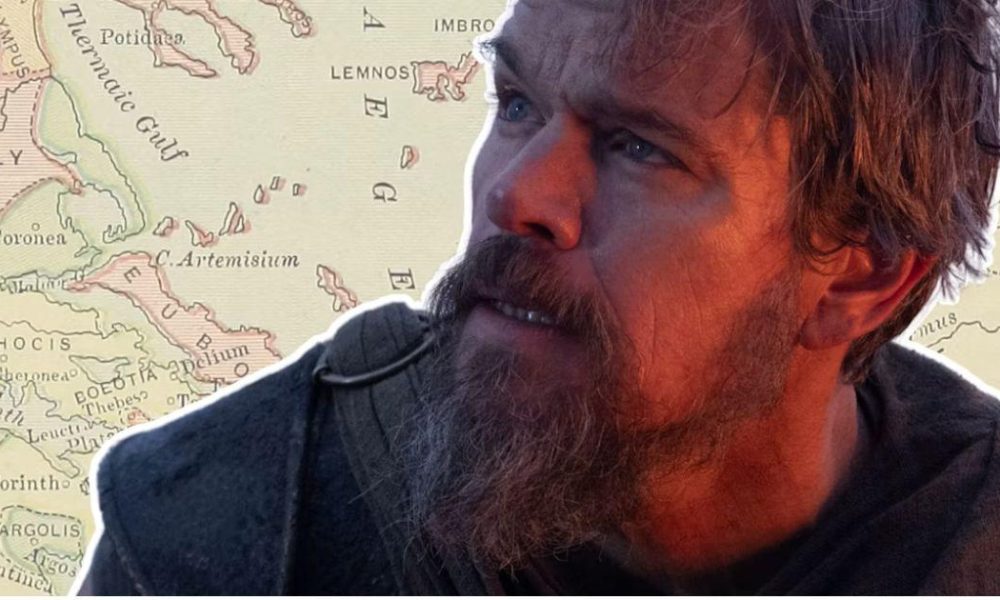
Homer’s epic, the Odyssey, narrates the adventurous and arduous journey of King Odysseus as he strives to return to his homeland of Ithaca after the Trojan War. This legendary tale unfolds against the backdrop of various geographical locations, intertwining myth with tangible elements of the ancient world. For centuries, scholars and enthusiasts alike have pondered the reality of the places depicted in this classic narrative, seeking to decipher the truth behind the mythological.
Some historians and classicists dismiss the Odyssey as mere poetry, arguing that its purpose is artistic rather than geographic. The ancient Greek scholar Eratosthenes, renowned for being the first to calculate the Earth’s circumference, famously claimed that the narrative is not rooted in any real location, suggesting that one might as well search for the cobbler who crafted Odysseus’s bag of winds. This sentiment reflects a broader skepticism surrounding the alignment of literary epics with historical geography.
However, there are those who believe that the Odyssey, while enveloped in myth, contains elements of truth. Ancient historian Polybius, writing six centuries after Homer, posited that the poem may indeed stem from genuine events, albeit embellished with fantastical tales. This perspective invites readers to explore the notion that the geographical references can offer insights into the world of ancient Greece, potentially serving as a bridge connecting the realms of myth and reality.
My research over the last twenty years in the fields of cartography and mental mapping suggests that the geographical references in the Odyssey provide a framework that enriches the narrative. The essence of Odysseus’s quest—his longing for home—serves as the emotional core of the poem. As he traverses various lands, the character of Odysseus evolves, reflecting the transformative power of travel and the experiences that shape an individual.
In contemporary discussions, understanding the Odyssey as a blend of myth and geography encourages a deeper appreciation of its cultural significance. For Indian readers, this exploration resonates with our own rich tapestry of myths and legends, where the lines between reality and folklore often blur. The quest for home and identity, much like Odysseus’s, is a universal theme that transcends cultures, inviting reflections on our own journeys through history and myth.
Source: scroll.in







No Comment! Be the first one.