

The Complex Legacy of India’s Independence: A Journey Beyond the Simplistic Narratives
The creation of modern India as a sovereign nation was not merely a political transition; it was a monumental task fraught with challenges aimed at preventing fragmentation. The concept of the...

The creation of modern India as a sovereign nation was not merely a political transition; it was a monumental task fraught with challenges aimed at preventing fragmentation. The concept of the nation-state, particularly in the Indian context, is often clouded by a sense of historical amnesia, where the complexities behind territorial boundaries are simplified into mere narratives of triumph and tragedy.
Into public consciousness, the events surrounding India’s Partition and independence are frequently portrayed as a dramatic interplay of high politics. Popular media—be it books, films, or web series—often depict a streamlined tale of British imperialists hastily leaving, while a handful of leaders debated borders in dimly lit rooms. This rendition suggests that a fully functioning, democratic republic emerged effortlessly from the remnants of colonial rule. However, for those critically analyzing the foundational issues within the Indian state, such a portrayal feels disingenuous.
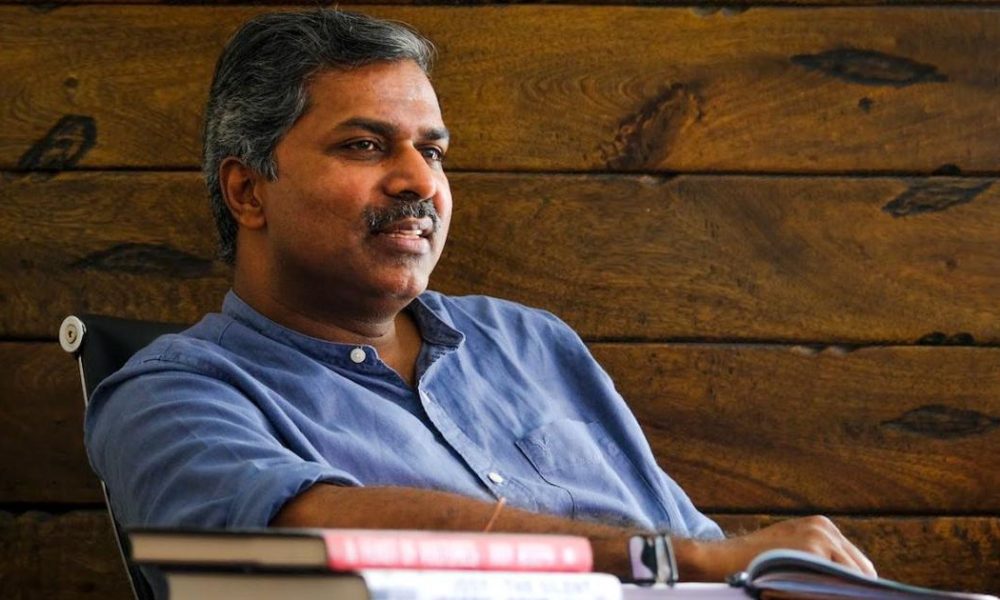
In examining India’s still-evolving democracy, it is crucial to seek insights from voices that delve deeper into the structural challenges faced by the nation. This is precisely the journey embarked upon by investigative journalist Josy Joseph. His groundbreaking works, such as ‘A Feast of Vultures: The Hidden Business of Democracy in India,’ meticulously dissect the intricate ties between corporate interests and political power, revealing them as an established and calculated system that influences the very fabric of governance.
Joseph’s follow-up work, ‘The Silent Coup: A History of India’s Deep State,’ continues this exploration by addressing the often-overlooked aspects of India’s political landscape. He unearths the existence of a deep state—an unofficial, shadowy layer of governance that operates beyond the public eye, shaping policy and political realities in ways that contradict democratic ideals. Through his rigorous investigative lens, Joseph delivers a stark reminder that the journey toward a truly equitable society is still underway, one that requires ongoing scrutiny and engagement from its citizens.
The modern narrative of India’s formation thus demands a more nuanced understanding. It is essential to recognize the myriad forces at play in shaping the nation, including the persistent issues of social and economic disparity. As India continues to navigate its identity in a rapidly changing world, acknowledging and addressing these complexities will be vital for ensuring a cohesive and resilient democratic framework.
Source: scroll.in






No Comment! Be the first one.