

Uttarakhand Unites Minority Educational Institutions Under New Regulatory Authority
On Wednesday, Uttarakhand made a historic move by abolishing its madrasa board and consolidating the regulation of educational institutions belonging to all six recognized minority communities under...

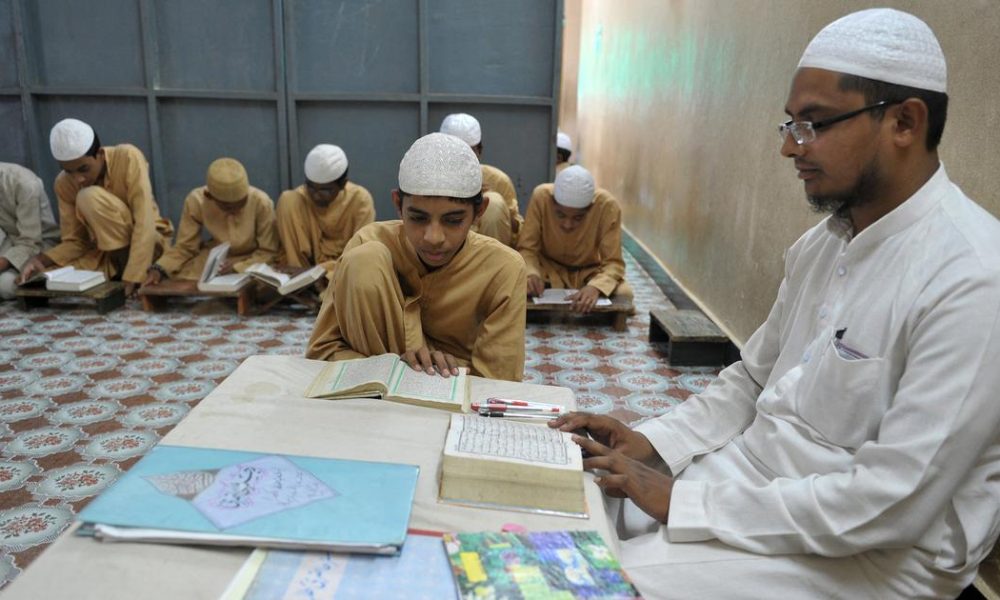
On Wednesday, Uttarakhand made a historic move by abolishing its madrasa board and consolidating the regulation of educational institutions belonging to all six recognized minority communities under a single authority. This makes Uttarakhand the first state in India to implement such a comprehensive framework, as reported by The Indian Express.
The newly enacted Uttarakhand Minority Education Act, which took effect on the same day, repealed the previous Uttarakhand Madrasa Education Board Act of 2016 and the 2019 rules for recognizing non-government Arabic and Persian madrasas. This shift reflects a significant change in the approach towards minority education in the state, aiming for more streamlined oversight.
The establishment of the Uttarakhand State Authority for Minority Education is a key feature of this new law. This authority will oversee educational institutions operated by Muslims, Christians, Sikhs, Parsis, Jains, and Buddhists, ensuring that all minority groups receive equitable treatment in the educational sector. Chief Minister Pushkar Singh Dhami inaugurated the authority, emphasizing that the government’s intent is not to undermine the unique identities or traditions of these communities but rather to improve educational outcomes for all.
Dhami stated, “The government’s effort is to ensure that children remain connected to their cultural roots while also becoming proficient in science, mathematics, computers, skill development, and modern education.” This approach indicates a balanced strategy of integrating traditional values with contemporary educational practices, aiming to create well-rounded individuals ready to meet the challenges of the modern world.
In addition to unifying regulatory oversight, the state government has introduced textbooks from the National Council of Educational Research and Training (NCERT) into minority educational institutions. This measure is intended to standardize the curriculum, enhancing the quality of education and ensuring that students from minority backgrounds receive the same educational opportunities as their peers.
This legislative change arrives amid ongoing discussions about the role of minority education in India and the importance of inclusive policies that cater to the diverse fabric of the nation. By taking this bold step, Uttarakhand has set a precedent that could inspire other states to follow suit, fostering an environment of unity and cooperation among India’s various cultural and religious communities.
Source: scroll.in







No Comment! Be the first one.