

India’s Fiscal Deficit Soars to 9.6% of Annual Target in Early Financial Year 2026-27
India’s fiscal health appears to be under significant strain as the country recorded a fiscal deficit of Rs 1.6 lakh crore for the first two months of the financial year 2026-27. This figure...

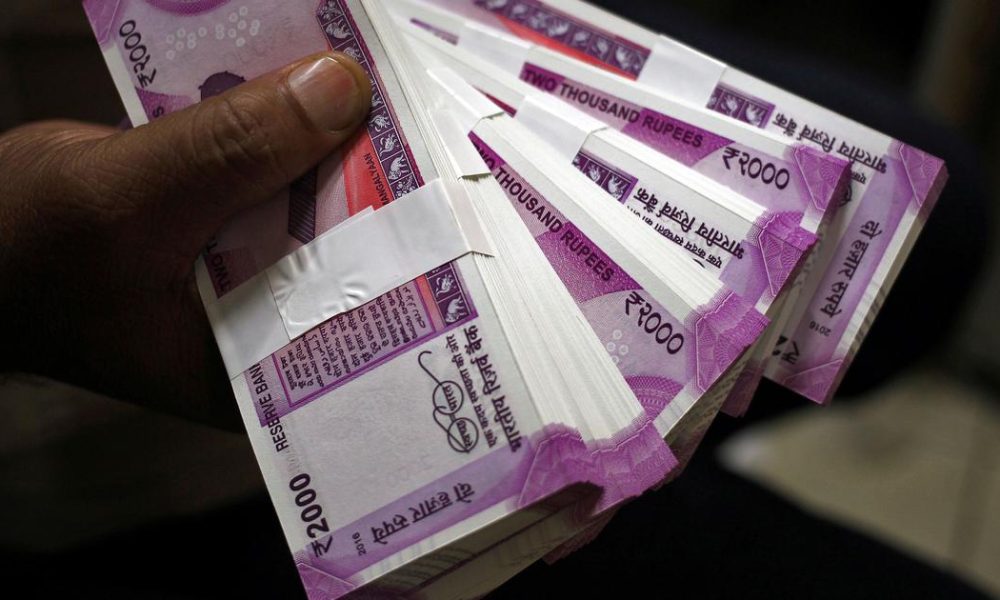
India’s fiscal health appears to be under significant strain as the country recorded a fiscal deficit of Rs 1.6 lakh crore for the first two months of the financial year 2026-27. This figure represents a staggering 9.6% of the government’s annual fiscal target, a sharp increase from the mere 0.8% recorded during the same period in the previous year, as reported by the Business Standard.
A fiscal deficit occurs when the government’s expenditures surpass its revenue, and the current figures indicate a concerning trend. Despite a notable surplus transfer of Rs 2.8 lakh crore from the Reserve Bank of India in May, the government’s financial position has worsened. The Controller General of Accounts disclosed that revenue receipts fell to Rs 6.9 lakh crore in April and May, down from Rs 7 lakh crore in the same months last year.
Both tax and non-tax revenues saw a year-on-year decline of 1%, contributing to an overall drop in total receipts by 2%, bringing it to Rs 7.1 lakh crore—approximately 20% of the government’s annual revenue target. The excise duty collections, a vital component of tax revenue, experienced a significant decline of nearly 20%, amounting to Rs 2.1 lakh crore. This drop can be largely attributed to the government’s decision to reduce special additional excise duties on petrol and diesel earlier in March. The excise duty on petrol was cut from Rs 13 per litre to Rs 3, while diesel’s additional duty was slashed from Rs 10 to zero.
In contrast, government expenditure surged, rising by 18% year-on-year to reach Rs 8.8 lakh crore. This increase in spending further exacerbates the fiscal deficit, showcasing a growing imbalance between income and expenditure. Analysts suggest that the rising fiscal deficit could pose challenges to fiscal management and economic stability in the coming months.
The situation calls for urgent attention to fiscal reforms and measures to enhance revenue collection. As the financial year progresses, it will be crucial for policymakers to navigate these challenges effectively to ensure that the fiscal deficit does not spiral further out of control.
Source: scroll.in







No Comment! Be the first one.