

India’s Ongoing Struggle Against Child Marriage: Latest NFHS Data Reveals Challenges Ahead
Recent findings from the National Family Health Survey (NFHS-6) have highlighted both progress and persistent challenges in India’s battle against child marriage. Conducted across 679,238...

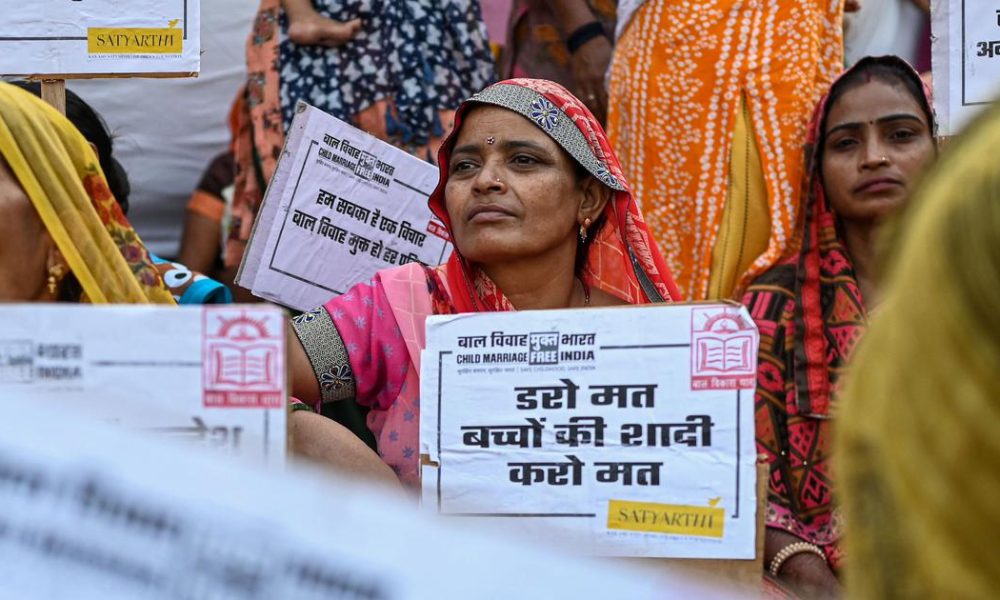
Recent findings from the National Family Health Survey (NFHS-6) have highlighted both progress and persistent challenges in India’s battle against child marriage. Conducted across 679,238 households between 2023 and 2024, the survey indicates a decrease in child marriages among young women but underscores the stagnant rates of adolescent pregnancies, raising questions about the effectiveness of legal reforms in changing social norms.
The data reveals that 20.1% of women aged 20-24 were married before the legal age of 18, a slight decline from 23.3% recorded in the previous survey (NFHS-5, conducted from 2019 to 2021). This decrease reflects a significant long-term trend, as child marriage rates have effectively halved since 2005-06, when NFHS-3 reported a staggering 47.4%. The NFHS-4 data from 2015-16 recorded a further drop to 26.8%, demonstrating a positive trajectory over the last two decades.
Despite these encouraging figures, the absolute number of girls entering marriage before adulthood remains alarmingly high, suggesting that millions continue to face the brunt of this practice. The NFHS findings indicate that India is far from achieving its goal of eradicating child marriage by 2030, emphasizing the urgent need for intensified efforts and innovative strategies to tackle this societal issue.
The stagnant adolescent pregnancy rate—6.7% of women and young girls aged 15-19 being already mothers or pregnant—highlights the ongoing challenges linked to child marriage. This figure suggests that while legal measures may have contributed to reducing marriages before adulthood, they have not significantly impacted the rates of adolescent pregnancies. This disconnect points to the necessity of addressing not just the legality of marriage but also the underlying cultural factors and societal attitudes that perpetuate child marriage.
To effectively combat child marriage, it is imperative for policymakers and NGOs to collaborate closely and implement comprehensive education and awareness programs. This includes empowering young girls with education, ensuring financial stability, and fostering community dialogues that challenge traditional practices. Only through a multifaceted approach that combines legal, educational, and social initiatives can India hope to make substantial progress in eradicating child marriage and ensuring that young girls can pursue their dreams and aspirations unhindered.
Source: scroll.in







No Comment! Be the first one.