

Misinformation and Distrust: Key Factors in Global Disease Outbreaks of 2026
The first half of 2026 has seen the emergence of several infectious disease outbreaks worldwide, notably Ebola and hantavirus, alongside a diphtheria outbreak in Australia. These incidents have...

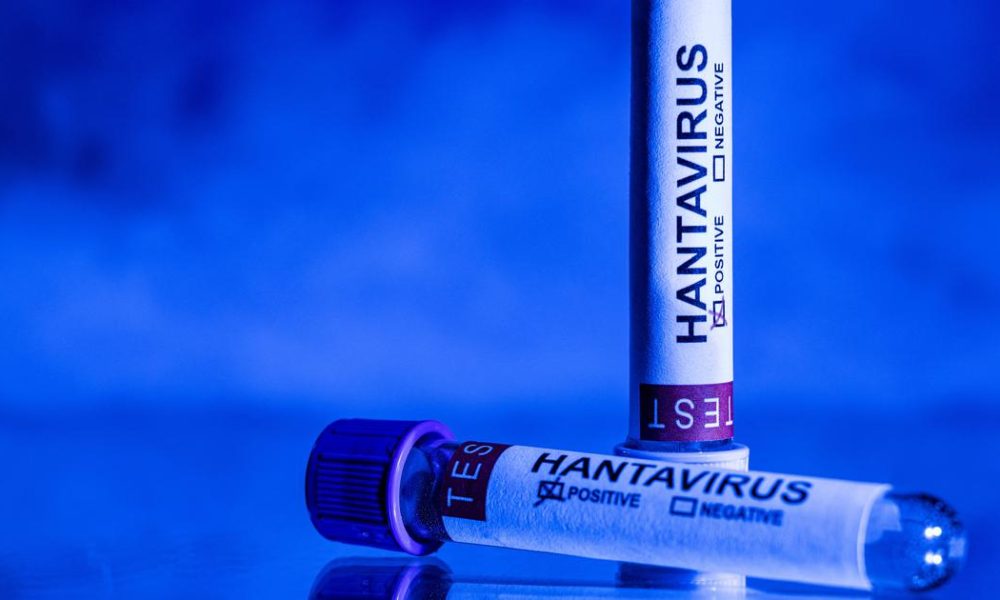
The first half of 2026 has seen the emergence of several infectious disease outbreaks worldwide, notably Ebola and hantavirus, alongside a diphtheria outbreak in Australia. These incidents have highlighted significant weaknesses in the ways we detect, communicate, and respond to such health crises. While each outbreak presents its own set of challenges, a recurring theme has been the pervasive distrust in healthcare systems and the spread of misinformation, which have exacerbated the situation and hindered effective responses.
In regions like the Democratic Republic of the Congo (DRC), where Ebola has resurfaced, misinformation has become a formidable obstacle in controlling the disease. Surveys conducted in affected communities reveal alarming levels of distrust in health services, with many individuals questioning the legitimacy of the disease itself. This skepticism often leads to a reluctance to seek timely medical assistance, contribute to the spread of the virus, and even result in cases being hidden from health authorities.
For instance, in late May, there was a troubling incident where residents in the DRC set fire to a tent established by Médecins Sans Frontières to treat suspected and confirmed Ebola patients. This act of desperation not only endangered the lives of those affected but also prompted 18 individuals to flee the facility, further complicating the containment efforts. Such violent reactions, fueled by distrust and misinformation, illustrate the urgent need for effective communication strategies in public health.
The global health community must confront these challenges head-on to enhance the response to infectious disease outbreaks. Addressing the root causes of distrust is essential. This includes fostering transparent communication, engaging local communities in health initiatives, and providing accurate information to dispel myths surrounding diseases. As misinformation spreads rapidly through social media and other channels, it is vital for health authorities to counter these narratives swiftly and effectively.
In conclusion, the outbreaks witnessed this year underscore the importance of building trust and ensuring that accurate information reaches those most affected. By prioritizing community engagement and addressing the concerns of the populace, health authorities can better prepare for future outbreaks and reduce the devastating impact that misinformation and distrust can have on public health.
Source: scroll.in






No Comment! Be the first one.