

Study Reveals Streaming Services Profit from Hindutva Hate Music Amid Poor Content Moderation
A recent study conducted by the Center for the Study of Organized Hate, a non-profit organization based in Washington DC, has unveiled alarming findings regarding the presence of Hindutva-themed hate...

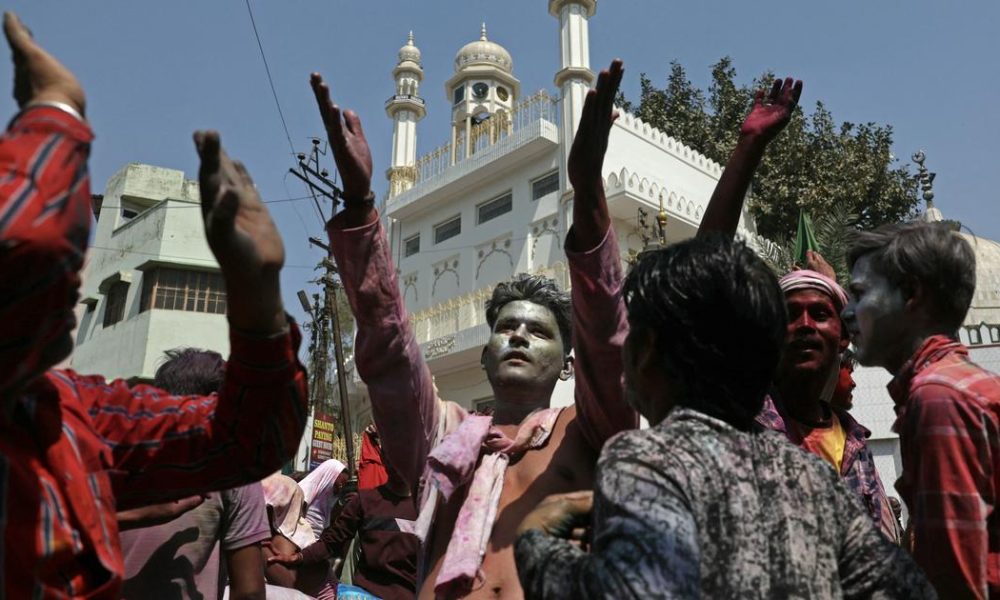
A recent study conducted by the Center for the Study of Organized Hate, a non-profit organization based in Washington DC, has unveiled alarming findings regarding the presence of Hindutva-themed hate music on popular streaming platforms. According to the report, major platforms like YouTube, Meta, Apple Music, and Spotify are not only hosting but also profiting from music that dehumanizes religious minorities, particularly Muslims and Christians, and incites violence against them.
The study identified a total of 523 songs categorized as Hindutva hate music across the four platforms, with a significant number—210 songs—located on YouTube alone. Spotify featured 109 such songs, while Meta’s music library contained 103, and Apple Music had 101 tracks. Disturbingly, over half of these songs were reported to have either directly threatened or incited violence against these religious communities, while the remainder utilized slurs and dehumanizing language to promote hatred.
Despite reports filed against 225 of these songs in October, the platforms exhibited a woefully inadequate response. As of May, only 18 tracks had been removed, reflecting a mere 8% takedown rate. The study criticized the platforms for their ineffective enforcement of content moderation policies, stating, “Enforcement is superficial and easily circumvented.” This has led to a situation where artists, even after having their accounts suspended, can easily create new profiles and continue to spread hate-filled content. For instance, singer Sandeep Acharya has had his accounts suspended multiple times yet still has a significant number of violative songs available on various channels.
The implications of these findings are troubling, especially considering the rise of communal tensions in India. The proliferation of such music could contribute to an environment where hate speech becomes normalized, fostering further division among communities. Critics argue that these platforms, by failing to take decisive action, are inadvertently becoming complicit in the dissemination of hate speech.
As conversations around digital responsibility and content moderation grow more urgent, the report calls for stricter enforcement of community guidelines by streaming services. It emphasizes the need for more accountability in managing content that incites violence or hatred, urging platforms not only to implement more robust moderation policies but also to actively engage with civil society organizations to combat the spread of harmful content.
Source: scroll.in







No Comment! Be the first one.