

Arundhati Roy Reflects on Protest Movement Against Education Minister’s Resignation
On a recent Monday morning, renowned author and activist Arundhati Roy joined a gathering at Jantar Mantar, a significant site for protests in New Delhi, shortly after Education Minister Dharmendra...

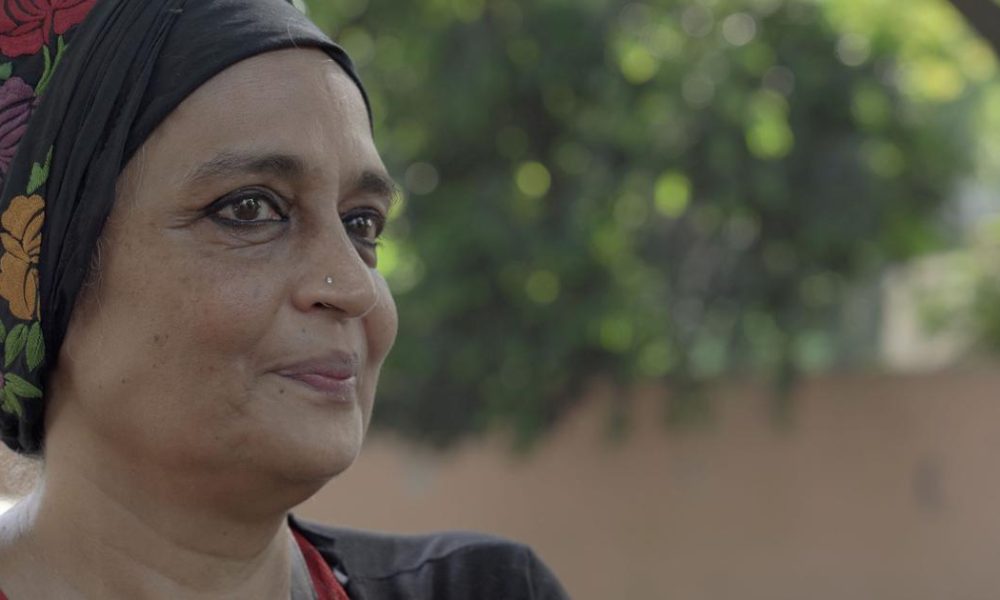
On a recent Monday morning, renowned author and activist Arundhati Roy joined a gathering at Jantar Mantar, a significant site for protests in New Delhi, shortly after Education Minister Dharmendra Pradhan stepped down from the Modi government. The resignation followed 36 days of relentless protests led by students demanding accountability from the government. The demonstrations escalated dramatically the previous week when police action triggered an outpouring of public dissent, with many protestors openly criticizing Prime Minister Narendra Modi.
Although Roy had previously shown public support for the demonstrators, she revealed that she made numerous visits to Jantar Mantar incognito. She expressed her delight at the creativity and humor displayed by the young protestors, noting that their jokes, memes, and slogans targeting Modi had left her feeling exhilarated. “My cheeks ached from smiling so much,” she remarked. This sense of collective expression, she added, empowered many individuals to voice sentiments they had long felt but were hesitant to articulate.
“These young people are saying the quiet part out loud,” Roy explained. “We all harbored these thoughts, but as individuals, it felt risky to voice them. However, when in a crowd, the fear dissipates.” Roy emphasized that the protest’s most significant outcome is the way it has challenged Modi’s carefully crafted public persona, which he has cultivated over nearly two decades. She highlighted that Modi, who has rarely faced direct scrutiny or engaged with the press, has been forced to confront the realities of public discontent.
Roy’s involvement in the protests underscores a broader trend of increasing activism among Indian youth, who are becoming more vocal about their political grievances. The recent surge in protests signifies a growing impatience with government policies and an eagerness for accountability. The students’ actions have not only drawn attention to the issue of educational governance but also sparked a national conversation about the role of leadership in contemporary India.
As the protests continue, the dynamic between the youth and the establishment is shifting. With figures like Arundhati Roy amplifying their voices, the movement is gaining momentum, suggesting that the future of political discourse in India is being reshaped by these emerging leaders who are not afraid to challenge the status quo.
Source: scroll.in






No Comment! Be the first one.