

VD Savarkar’s Grandnephew Reveals Ten Mercy Petitions Filed During British Rule in Pune Court
In a significant courtroom revelation, Satyaki Savarkar, the grandnephew of the prominent Hindutva ideologue Vinayak Damodar Savarkar, disclosed that his ancestor had submitted a total of ten mercy...

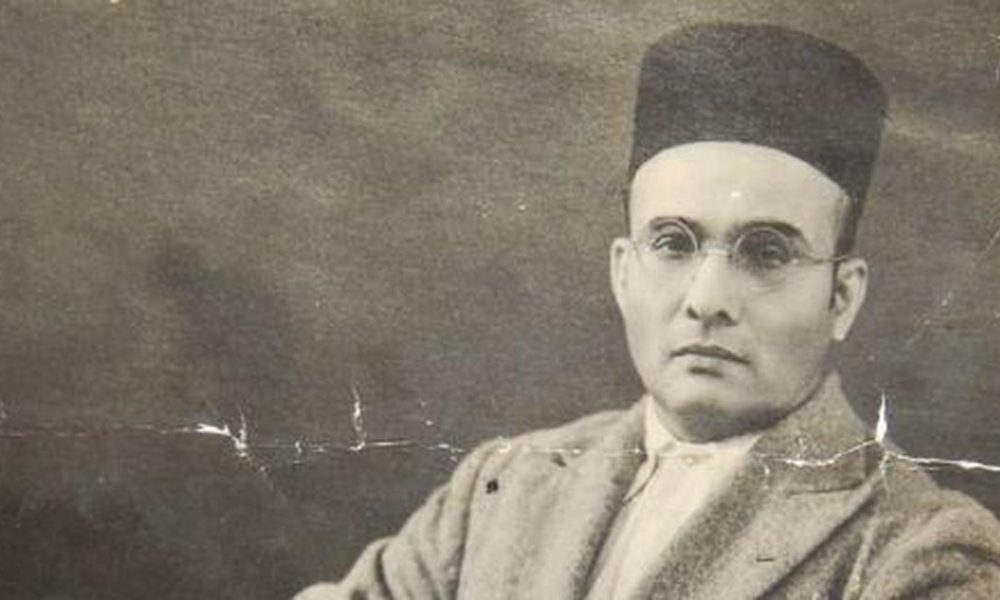
In a significant courtroom revelation, Satyaki Savarkar, the grandnephew of the prominent Hindutva ideologue Vinayak Damodar Savarkar, disclosed that his ancestor had submitted a total of ten mercy petitions to the British colonial authorities. This information emerged during a criminal defamation trial against Congress leader Rahul Gandhi, held in Pune on Monday. The trial stems from a complaint lodged by Satyaki Savarkar against Gandhi for allegedly making derogatory remarks about the Hindutva figure during an event in London earlier this year.
During the proceedings before Special Judge Amol Shinde, Satyaki Savarkar affirmed the existence of these petitions, asserting that documentary evidence of these requests can be found in government archives. He emphasized that acknowledging this aspect of Savarkar’s history should not detract from his legacy or the honor associated with the title “veer,” which translates to heroic. This statement is particularly noteworthy as it sheds light on the complexities of Savarkar’s role in India’s freedom struggle.
However, Satyaki Savarkar’s testimony did not go without controversy. He countered suggestions that filing for clemency was contradictory to the valor associated with his granduncle, reiterating a sense of pride in Savarkar’s contributions to the national movement. The courtroom exchange highlighted the inherent tensions within the historical narratives surrounding India’s independence and the figures that shaped them.
Moreover, Satyaki Savarkar acknowledged the contrasting paths taken by other freedom fighters during this tumultuous era. He pointed out that icons such as Bhagat Singh, Rajguru, and Ashfaqulla Khan did not seek clemency and remained unwavering in their revolutionary principles until the end. This admission has reignited discussions about the varied strategies employed by different leaders in the fight against colonial rule, underscoring a spectrum of ideologies that existed within the independence movement.
The case has drawn significant public interest, not only for its legal implications but also for the broader historical discourse it engages. As the trial continues, it raises critical questions regarding the legacy of figures like Savarkar and the enduring impact of their actions on contemporary Indian politics and society.
Source: scroll.in





No Comment! Be the first one.