

Umar Khalid and Sharjeel Imam Seek Bail in Delhi Riots Conspiracy Case
In a significant legal development, activists Umar Khalid and Sharjeel Imam have submitted new bail applications to a Delhi court concerning their involvement in the 2020 riots conspiracy case. Their...

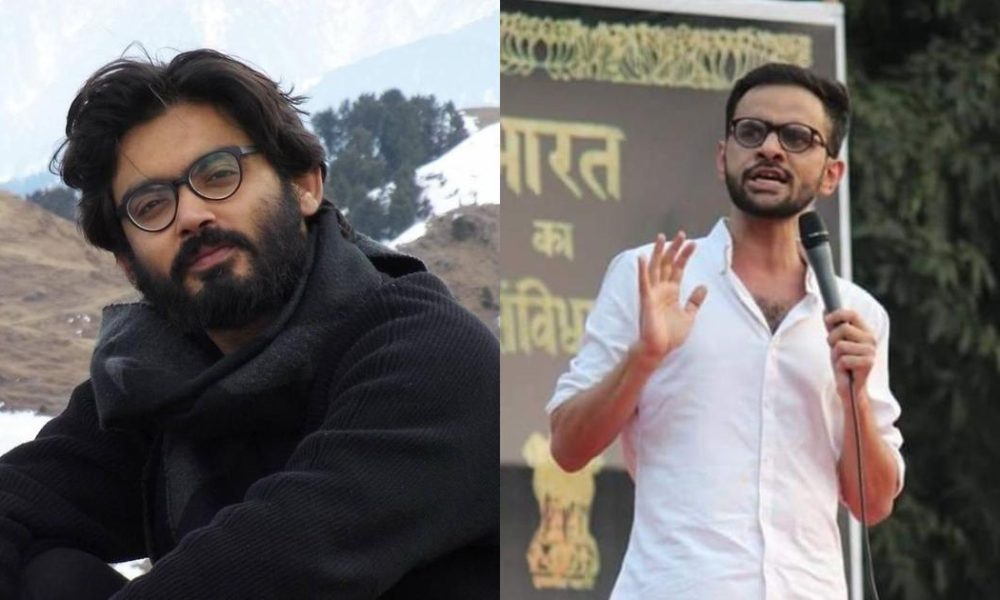
In a significant legal development, activists Umar Khalid and Sharjeel Imam have submitted new bail applications to a Delhi court concerning their involvement in the 2020 riots conspiracy case. Their petitions come amidst ongoing concerns about the pace of the trial, which has seen little advancement since their initial arrests.
Sharjeel Imam’s recent plea underscores the lengthy duration of the proceedings, as he notes that it has been over six months since the Supreme Court denied his previous request for bail. Despite being behind bars for nearly six years, Imam asserts that the court has yet to address the essential arguments surrounding the charges against him. He expressed frustration over the stagnation in the trial process, calling for a meaningful progression of the case.
The bench has requested the Delhi Police to provide a formal response to the latest bail applications, scheduling the next hearing for July 4. This follow-up highlights the ongoing scrutiny of the judicial system as it manages complex cases stemming from the communal violence that erupted in North East Delhi in February 2020.
The violence, which resulted in the deaths of 53 individuals and left hundreds injured, primarily affected the Muslim community. Khalid, Imam, and several other activists were arrested between January and September of 2020, accused of orchestrating and participating in a conspiracy that allegedly aimed to undermine the government led by Prime Minister Narendra Modi.
Charges against the accused include violations of the Unlawful Activities Prevention Act (UAPA), the Prevention of Damage to Public Property Act, and various sections of the Indian Penal Code. Law enforcement authorities have framed the events of the riots as a calculated effort by certain protest organizers to defame the ruling government and disrupt public order.
The case has attracted widespread attention, raising questions about the implications of the charges against activists carrying out protests against the controversial Citizenship Amendment Act (CAA). As the trial continues, the outcomes of these bail pleas will be closely monitored, both for their legal ramifications and their potential impact on civil rights and freedom of expression in India.
Source: scroll.in






No Comment! Be the first one.