

Bihar Government Removes Sanjay Gandhi’s Name from Patna Zoo and Dairy Institute
The Bihar government, under the leadership of the Bharatiya Janata Party (BJP), has decided to remove the name of late Congress leader Sanjay Gandhi from both a zoo and a dairy technology institute...

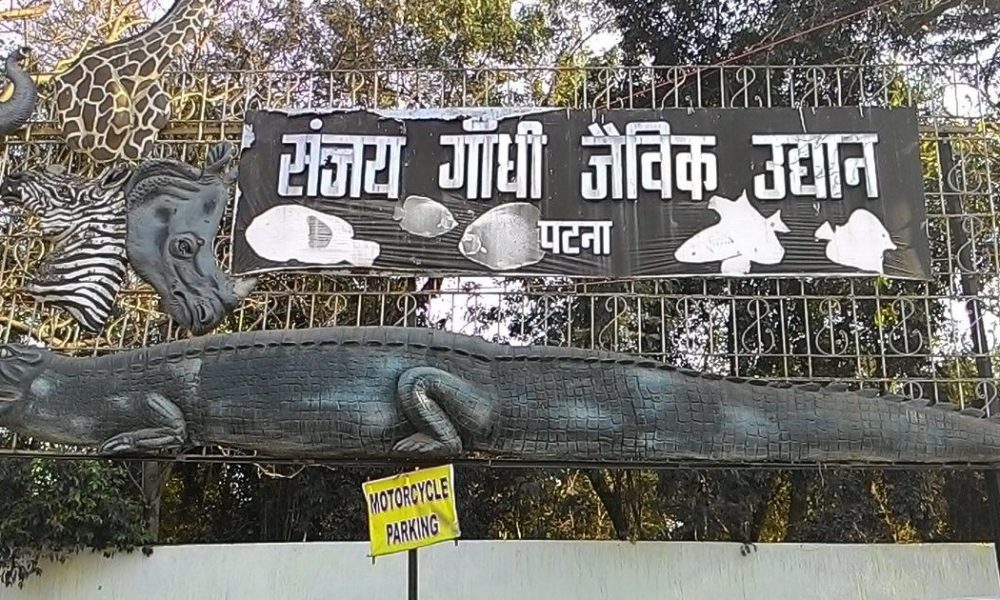
The Bihar government, under the leadership of the Bharatiya Janata Party (BJP), has decided to remove the name of late Congress leader Sanjay Gandhi from both a zoo and a dairy technology institute located in Patna. This significant decision was made during a Cabinet meeting on Wednesday, as reported by PTI.
The Sanjay Gandhi Biological Park, which has been a prominent attraction in Patna since its establishment in 1973, will now be officially referred to as Patna Zoo. Similarly, the Sanjay Gandhi Institute of Dairy Technology, founded by the state government in 1980, will be renamed the Bihar State Institute of Dairy Technology. These changes reflect the government’s intent to rebrand state institutions and possibly distance them from historical figures associated with the Congress party.
Sanjay Gandhi, the son of former Prime Minister Indira Gandhi, has been a figure of considerable historical significance in Indian politics. His legacy has been a subject of debate, particularly among political factions. His wife, Maneka Gandhi, served as a Union minister in Prime Minister Narendra Modi’s first term, while their son, Varun Gandhi, has been a three-term Member of Parliament representing the BJP. This familial connection adds layers to the political narrative surrounding the recent name changes.
The Cabinet’s decision is part of a broader reshaping of public institutions in Bihar, with over 60 resolutions passed during the meeting. The renaming of these institutions is indicative of the current government’s approach to consolidate its identity and values, potentially as a means to resonate more with its voter base.
Rebranding public institutions is not an isolated phenomenon and has been seen in various states across India, where governments have sought to redefine historical narratives in alignment with contemporary political ideologies. The implications of such actions often spark discussions about heritage, memory, and the politics of naming, as communities respond to changes that may affect their identity and association with historical figures.
Source: scroll.in






No Comment! Be the first one.