

Delhi’s New EV Policy: Subsidies for the Wealthy Amidst Rising Vehicle Numbers
The Delhi government has unveiled its draft electric vehicle (EV) policy on April 11, designed to foster the transition to electric mobility through a combination of incentives, waivers on road...

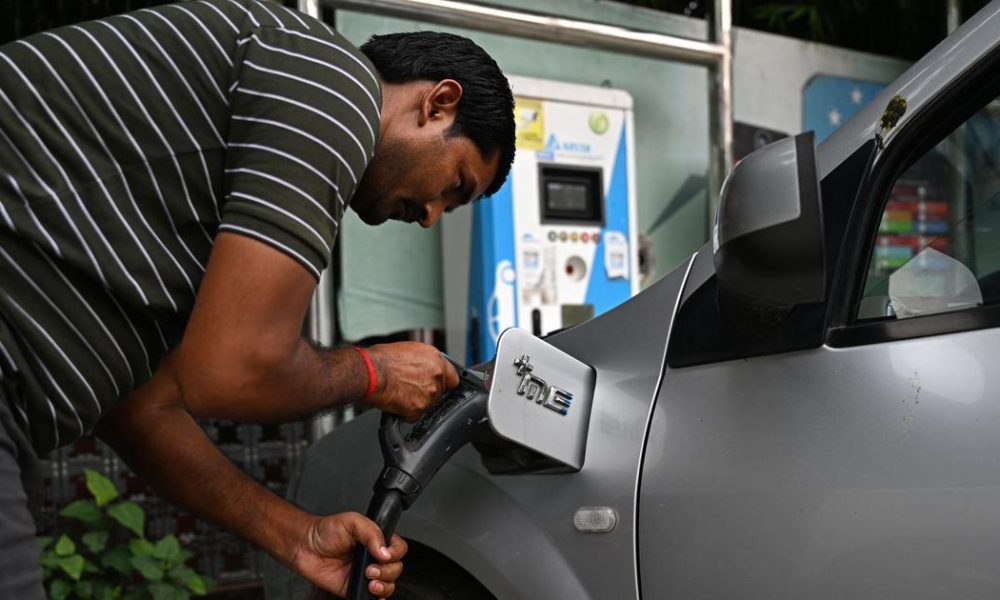
The Delhi government has unveiled its draft electric vehicle (EV) policy on April 11, designed to foster the transition to electric mobility through a combination of incentives, waivers on road taxes, and restrictions on the registration of new petrol and diesel vehicles. However, the proposed policy has drawn criticism for several key shortcomings that require immediate attention.
Critics argue that the policy prioritizes affluent car owners by extending subsidies to them in the name of combating air pollution. This approach overlooks broader issues related to transportation, including the health impacts of traffic injuries, decreased physical activity, and the noise pollution associated with heavy vehicle use. Furthermore, the allocation of public space for vehicles is a growing concern for residents in a city struggling with congestion.
In addition to air quality, the production processes involved in automobile manufacturing contribute significantly to carbon emissions. The extraction of essential minerals for battery production, such as lithium, cobalt, and nickel, raises serious environmental and ethical questions on a global scale. By framing the adoption of electric vehicles primarily as a remedy for air pollution, the draft policy misses an opportunity for a comprehensive approach to urban mobility.
A more effective strategy would involve rethinking urban transportation in its entirety, addressing not only air quality but also public health, urban planning, and sustainable development. The challenge lies in creating a balanced ecosystem that prioritizes the well-being of all residents over the interests of a select few. As cities like Delhi grapple with these complex issues, it becomes imperative for policymakers to broaden their perspective on transportation and its implications.
The draft policy represents a critical step towards electric mobility, yet it is essential to ensure that the benefits of such initiatives are equitably distributed across all socio-economic strata. To truly address the multifaceted challenges of urban transport, a holistic vision that encompasses sustainable practices and inclusivity must replace the current narrow focus on air pollution alone.
Source: scroll.in





No Comment! Be the first one.