

Navigating Love and Family: The Complex Landscape of Interfaith Marriages in India
Recently, I attended a vibrant wedding in the Bandra area of Mumbai that encapsulated the rich tapestry of cultural intermingling in India. The stunning ceremony unfolded with the melodies of...

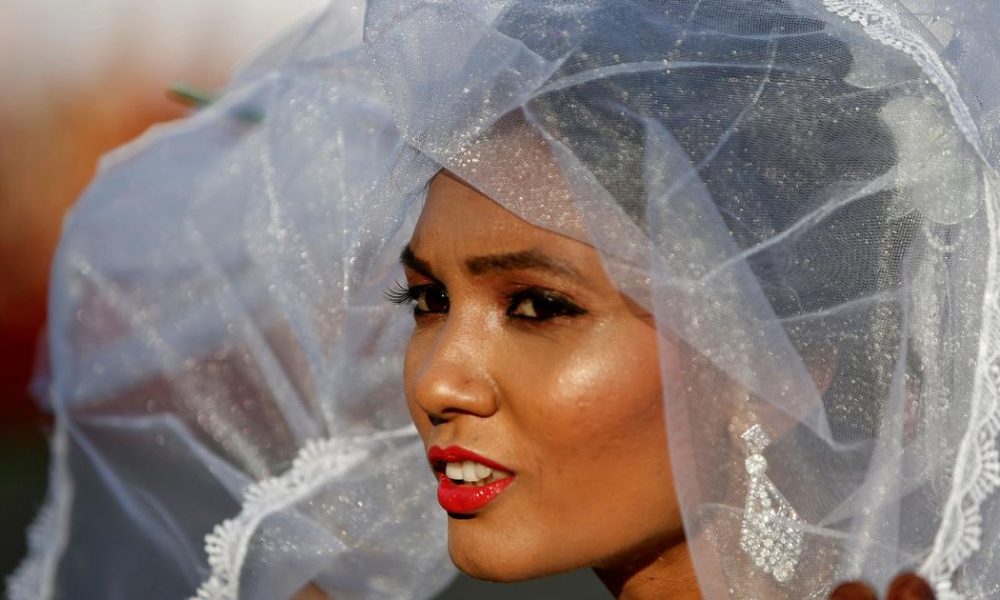
Recently, I attended a vibrant wedding in the Bandra area of Mumbai that encapsulated the rich tapestry of cultural intermingling in India. The stunning ceremony unfolded with the melodies of traditional music, lively dancing, a breathtaking bride adorned in a white gown, and an impressive three-tiered cake. This wedding symbolized not just a union of two individuals but a blend of two distinct cultures—a Marathi woman from the Other Backward Classes marrying her college classmate, a Goan Catholic man. The bride, an accomplished chartered accountant, epitomized success and independence.
As I looked around at the joyful gathering, I was prompted to engage with the bride’s parents. I inquired about their acceptance of her choice in partner, particularly given their unfamiliarity with the Christian community. Their response was heartening and progressive: “What is the point of raising children to be independent and intelligent if we cannot trust their decisions? If we respond negatively, we risk losing our children altogether. We are not that foolish.” This open-minded perspective stands in stark contrast to the experiences of many others navigating similar paths in India.
In a country characterized by deep-rooted traditions and societal expectations, the journey of love often encounters hurdles, particularly when it crosses religious boundaries. A personal anecdote illustrates this struggle. My cousin and his girlfriend faced significant backlash when they expressed their intention to marry. The girl’s father reacted with dismay, questioning her choice of a Muslim partner while suggesting a more ‘suitable’ match from a similar background, a man with the surname Kamath. The incident highlights a recurring theme in many such interfaith relationships: the challenge of parental acceptance and societal norms.
Despite the growing acceptance of diverse relationships in urban areas, many families still cling to traditional beliefs, which can lead to tragic outcomes. Young adults, like my cousin’s girlfriend, often find themselves at a crossroads, forced to choose between their familial bonds and their right to love freely. This societal pressure can result not only in broken relationships but also emotional distress, as individuals grapple with feelings of rejection and isolation.
The complexities surrounding interfaith marriages in India reflect broader issues of identity, acceptance, and love. As societal norms evolve, it is crucial for families to foster an environment of understanding and trust. In doing so, they not only honor their children’s choices but also pave the way for a more inclusive society where love transcends cultural boundaries. The ongoing dialogue around such unions highlights a pressing need for open-mindedness and empathy in our rapidly changing world.
Source: scroll.in






No Comment! Be the first one.