

Exploring the Night: Manoj Bajpayee’s ‘Gajab Raat’ and Martin Scorsese’s ‘After Hours’
As the weekend approaches, film enthusiasts are in for a treat with two contrasting yet intriguing cinematic experiences—Manoj Bajpayee’s latest endeavor, ‘Gajab Raat,’ and the iconic...

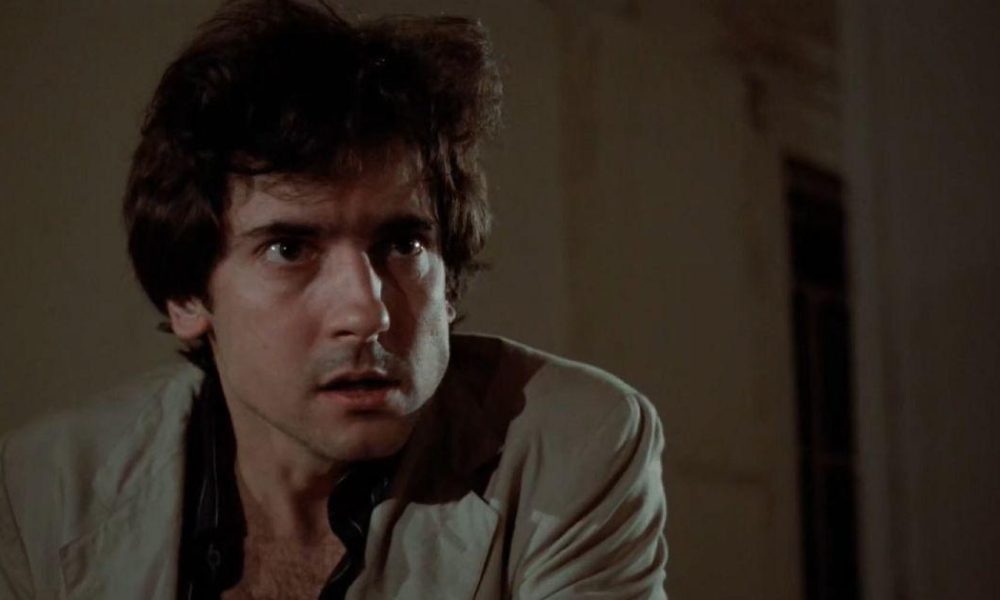
As the weekend approaches, film enthusiasts are in for a treat with two contrasting yet intriguing cinematic experiences—Manoj Bajpayee’s latest endeavor, ‘Gajab Raat,’ and the iconic Martin Scorsese film, ‘After Hours.’ While Bajpayee delivers a captivating performance as a morally conflicted police inspector, Scorsese’s 1985 classic offers an unsettling exploration of a night gone awry in New York City.
‘Gajab Raat’ sees Bajpayee immerse himself into the role of a corrupt officer whose ethical boundaries are tested during a convoluted investigation. The film, directed by Ritesh Shah, brings together an ensemble of characters that, while entertaining, often embody the typical archetypes found in stories about the underbelly of society. As the inspector navigates through the murky waters of crime, his journey promises to be filled with unexpected twists and turns, leading to a night that is anything but ordinary.
On the other hand, Scorsese’s ‘After Hours’ is a film that epitomizes the chaos and absurdity that can unfold during the late hours. Following the life of Paul (played by Griffin Dunne), a computer technician, the narrative begins when he accepts an invitation from Marcy (Rosanna Arquette) to visit her apartment. What should have been a simple date quickly spirals into a series of increasingly bizarre and nightmarish encounters. The film’s atmospheric camerawork, a hallmark of Scorsese’s style, heightens the tension as Paul finds himself trapped in an escalating spiral of misfortune.
Set against the backdrop of New York City, ‘After Hours’ captures the essence of the city’s eccentricity and vibrancy, showcasing a diverse cast of characters that Paul interacts with throughout his chaotic night. Michael Ballhaus’ distinctive cinematography plays a crucial role, creating an immersive experience that mirrors Paul’s growing unease. The film serves not just as a thriller but also as a commentary on the unpredictability of urban life, making it a relevant watch even decades after its release.
Both films, while markedly different in tone and style, offer rich narratives that delve into the complexities of human behavior under duress. While Bajpayee’s ‘Gajab Raat’ is an exploration of morality and the law, Scorsese’s ‘After Hours’ is a cautionary tale about the unforeseen consequences of a seemingly innocent decision. Available for rental on Prime Video, ‘After Hours’ remains a timeless piece of cinema, beckoning viewers to reflect on the choices they make, especially when the night falls and the chaos begins.
Source: scroll.in





No Comment! Be the first one.