

Irrigation Project Poses Risk to Cheetah Habitat and Local Communities in Kuno
In a recent development highlighting the challenges facing wildlife conservation in India, a new irrigation project has emerged as a potential threat to both the cheetah population and local human...

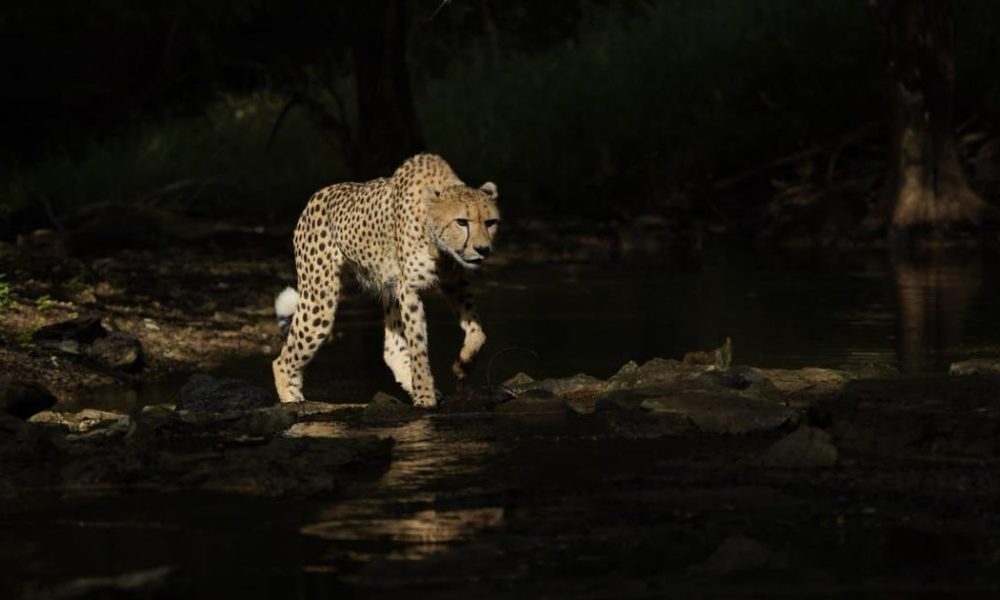
In a recent development highlighting the challenges facing wildlife conservation in India, a new irrigation project has emerged as a potential threat to both the cheetah population and local human communities surrounding the Kuno National Park in Madhya Pradesh. The Ministry of Environment, Forest and Climate Change granted environmental clearance for the Chentikheda irrigation project in April, raising concerns among conservationists and environmentalists alike.
The Kuno National Park, home to a reintroduction initiative that has successfully brought cheetahs back to India, encompasses an area of approximately 750 square kilometers. This space has proven inadequate for the thriving population of cheetahs, which includes 28 cubs born in India and several adults initially brought from Namibia last year. With the total number of cheetahs in India now reaching 48, the limited territory poses a significant challenge for their natural behavior and survival.
One notable incident earlier this year involved an Indian-born cheetah, KP-2, who made headlines by traveling hundreds of kilometers from Kuno to Ranthambore National Park in Rajasthan. This journey underscores a pressing concern: the cheetahs’ need for vast territories to roam for hunting and mating. Experts have pointed out that Kuno’s constrained landscape may not be viable for sustaining a growing cheetah population, a situation exacerbated by the proposed irrigation project.
The irrigation initiative is expected to alter the landscape significantly, potentially encroaching on the habitats that these cheetahs rely on. Moreover, the potential displacement of local communities raises further ethical questions about the impact of such projects on both wildlife and human livelihoods. Residents near Kuno have expressed apprehension about how such developments might affect their agricultural practices and everyday life.
The situation presents a complex dilemma; while the irrigation project aims to improve water management and agricultural productivity, it may simultaneously undermine the ecological balance necessary for the recently introduced cheetahs and the surrounding communities. As discussions continue, stakeholders in both conservation and development sectors are urged to find a solution that balances ecological integrity with human developmental needs.
Source: scroll.in






No Comment! Be the first one.