

Can the Revival of Sanskrit in Uttarakhand’s Villages Bridge Tradition and Modernity?
In an intriguing cultural and political initiative, the government of Uttarakhand has been working for over twenty years to create a network of designated “Sanskrit-speaking” villages,...

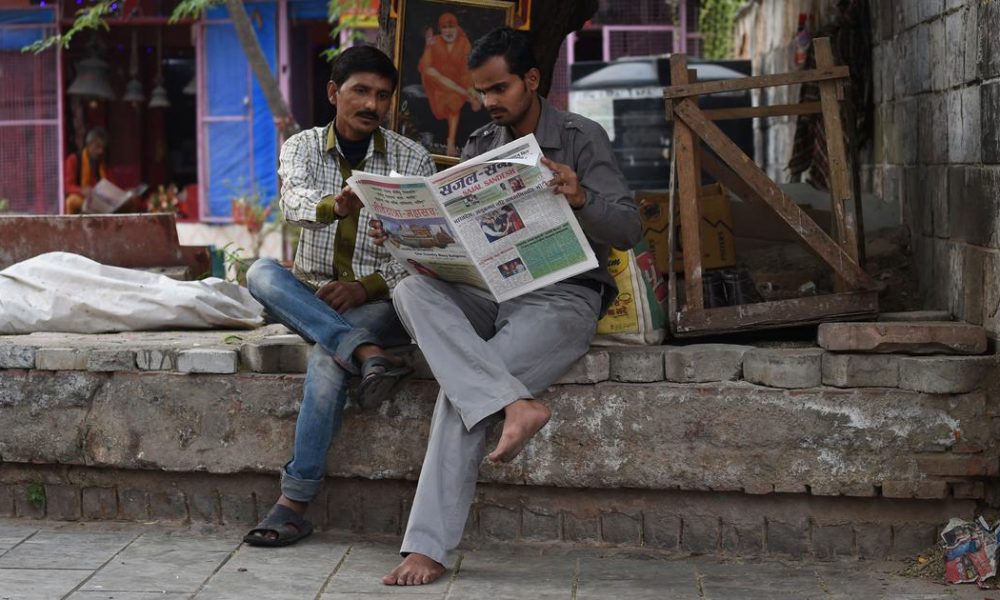
In an intriguing cultural and political initiative, the government of Uttarakhand has been working for over twenty years to create a network of designated “Sanskrit-speaking” villages, known as saṃskṛta-grāms. The vision behind this venture was ambitious: to transform a picturesque region of the Himalayas into a vibrant hub where Sanskrit, often referred to as the “Language of the Gods,” would flourish in everyday life. Substantial investments amounting to crores of rupees have been made in local administrations to breathe new life into this ancient language, which has largely remained confined to classical and liturgical contexts.
Despite the lofty aspirations, the journey towards establishing these Sanskrit villages has been fraught with challenges. The initial promise was to implement this plan across every administrative block and district in Uttarakhand. However, the reality has been disappointing, with the number of operational villages dwindling to just 13 scattered locations. Notable sites include Kotgaon in the northern region, as well as Kimothā and Bhantola in Chamoli, and Nagla Tarai situated in the southern part of the state. This stark contrast between the government’s grand vision and the resultant execution raises critical questions about the viability of Sanskrit as a living language in contemporary India.
The concept of creating Sanskrit-speaking villages stirs a complex mixture of enthusiasm and skepticism. While it aims to revive the language and restore its significance in daily conversations, the initiative has also faced recurrent issues, including bureaucratic inertia and allegations of corruption. Each year, the project is reintroduced with fanfare, igniting the imagination of ideological supporters, only to fade into obscurity when confronted with practical challenges on the ground.
Moreover, there is an ongoing debate about whether Sanskrit can truly serve as a functional vernacular in modern society. The language, which carries immense historical and cultural weight, struggles to find its place amidst the fast-paced evolution of language and communication in India today. Critics argue that unless there is a genuine grassroots demand for such a revival, the efforts may remain largely symbolic, unable to anchor itself in the realities of daily life.
As Uttarakhand continues its quest to marry tradition with modernity, the effectiveness of the saṃskṛta-grāms initiative will ultimately depend on fostering a genuine connection between the ancient and the contemporary. The challenge lies not only in the logistics of creating these villages but also in inspiring a new generation to embrace and speak Sanskrit as part of their everyday lives. Only time will tell if the dreams of revitalizing Sanskrit can indeed be transformed into a living reality that resonates within the fabric of modern Indian society.
Source: scroll.in





No Comment! Be the first one.